

The Rise of Modern Architecture in Jaipur: Why uPVC and Aluminium Systems are Replacing Traditional Wood
3/9/2026
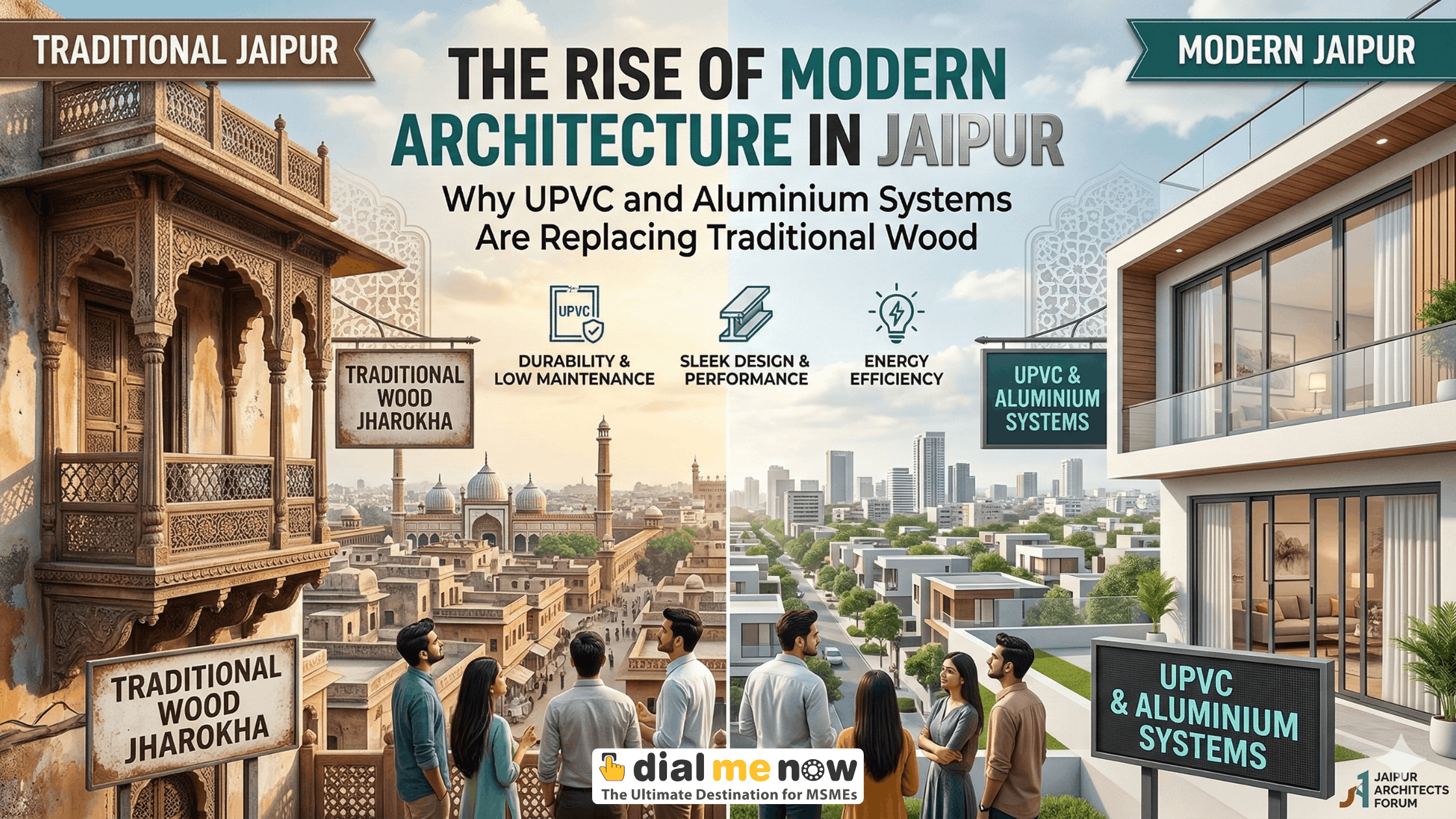
Jaipur, the celebrated “Pink City,” is undergoing a profound architectural transformation. While the heritage façades of the Walled City remain protected, the residential and commercial landscapes of C-Scheme, Malviya Nagar, and Mansarovar are embracing a sleek, high-performance future. In 2026, the most significant shift isn’t in the color of the buildings, but in the materials framing their views.
For centuries, seasoned Teak and Sheesham wood were the gold standard for Jaipur’s iconic arched windows and heavy doors. However, as extreme weather patterns intensify and urban noise increases, traditional wood is losing its crown. Modern homeowners and architects are now opting for uPVC (Unplasticized Polyvinyl Chloride) and Aluminium Systems—materials engineered to withstand the unique rigors of the Rajasthan desert.
The Great Shift: Why Wood is Waning in 2026
The decline of wood in modern Jaipur architecture isn’t just a matter of style; it’s a response to survival.
- Jaipur’s Extreme Thermal Stress: With summer temperatures in Jaipur frequently hitting 45°C to 48°C, wood naturally expands and contracts. Over time, this leads to warping, cracks, and windows that “jam” or refuse to close properly.
- The Maintenance Burden: Traditional wooden frames require periodic sanding, polishing, and anti-termite treatments. In today’s fast-paced urban lifestyle, Jaipur residents are looking for “install and forget” solutions.
- Dust & Pollution Infiltration: Jaipur’s frequent dust storms (Andhi) easily penetrate the gaps in aging wooden frames. Modern homeowners now demand the airtight precision that only engineered systems can provide.
uPVC Windows: The Thermal Shield for the Desert
uPVC has emerged as the most popular alternative for residential projects in Jaipur, specifically for its incredible insulating properties.
The uPVC Advantage in Rajasthan:
- Superior Thermal Insulation: uPVC is a non-conductive material. In 2026, high-end uPVC systems in Jaipur are saving homeowners up to 25-30% on electricity bills by preventing external heat from entering and keeping air-conditioned air inside.
- Dust-Proof Sealing: Using EPDM rubber gaskets and multi-point locking systems, uPVC windows create a vacuum-like seal. This is a game-changer for homes near busy Jaipur roads like Tonk Road or Ajmer Road, keeping interiors pristine during dust storms.
- Termite & Corrosion Resistance: Unlike wood, uPVC is completely immune to the termites that plague many older Jaipur neighborhoods. It also doesn’t rust, making it ideal for the varied humidity levels during the Rajasthan monsoon.
Aluminium Systems: The Choice of Luxury & Strength
While uPVC dominates the residential market, System Aluminium (a major upgrade from local “fabricated” aluminium) is the choice for Jaipur’s high-end villas, premium apartments, and commercial complexes.
Why Jaipur is Choosing System Aluminium:
- Sleek, Slim Profiles: Aluminium is structurally stronger than uPVC or wood, allowing for much thinner frames. This supports the 2026 trend of floor-to-ceiling glass that offers unobstructed views of the Aravalli hills.
- Thermal Break Technology: Modern aluminium windows are no longer “heat conductors.” In 2026, they feature thermal breaks—polyamide strips that interrupt the heat flow—making them as energy-efficient as uPVC.
- Durability in Harsh Sun: Powder-coated or anodized aluminium finishes in Jaipur can withstand decades of intense UV radiation without fading, chipping, or peeling.
Side-by-Side: Wood vs. uPVC vs. Aluminium (2026 Edition)
| Feature | Traditional Wood | Modern uPVC | System Aluminium |
| Durability | Prone to rot/warping | 20-30+ Years | 40+ Years |
| Maintenance | High (Polishing/Treatments) | Minimal (Soap & Water) | Zero to Minimal |
| Thermal Insulation | Moderate | Excellent | Great (with Thermal Break) |
| Termite Proof | No | Yes | Yes |
| Max Window Size | Limited | Moderate | Large (Expansive Glass) |
| Recyclability | Natural but requires logging | 100% Recyclable | Highly Sustainable |
Modern Architecture Trends in Jaipur
In 2026, architects in Jaipur are using these materials to redefine the “Modern Rajasthani” home:
- Arched uPVC Casements: Combining the traditional Mughal arch aesthetic with the performance of uPVC.
- Slide-and-Fold Doors: Using slim aluminium frames to connect living rooms to lush balconies or courtyards.
- Acoustic Comfort: Using double and triple glazing with uPVC to block out the noise of Jaipur’s growing traffic.
- Wood-Grain Finishes: For those who love the look of wood, both uPVC and Aluminium now come in Oak, Walnut, and Teak textures that look identical to real wood but last ten times longer.
❓ Frequently Asked Questions (FAQ)
Q1: Is uPVC cheaper than wood in Jaipur?
A: Initially, high-quality uPVC may cost similar to premium wood, but when you factor in the lack of maintenance and 25% energy savings, uPVC is significantly more cost-effective over its lifespan.
Q2: Does aluminium rust in Jaipur’s rain?
A: No. Modern aluminium windows use powder coating or anodizing which makes them completely resistant to corrosion and rust.
Q3: Can uPVC withstand the 45°C+ summer heat?
A: Yes. In 2026, uPVC profiles are UV-stabilized and tropicalized specifically for Indian weather to prevent warping or discoloration.
Q4: Which is better for noise reduction—uPVC or Aluminium?
A: uPVC generally has slightly better sound insulation properties due to its multi-chambered design, though both perform excellently when paired with double-glazed glass.
Q5: Can I get uPVC windows that look like wood?
A: Absolutely. “Laminated” uPVC comes in various wood-grain finishes like Golden Oak and Dark Walnut.
Q6: What is a “Thermal Break” in aluminium windows?
A: It is a plastic strip inside the metal frame that prevents heat from traveling through the metal, making the window energy-efficient.
Q7: Is uPVC eco-friendly?
A: Yes. uPVC is 100% recyclable and reduces the need for timber, helping to save forests.
Q8: How long do these modern windows last?
A: uPVC typically lasts 20-30 years, while System Aluminium can easily last 40-50 years.
Q9: Do I need to repaint uPVC or Aluminium?
A: No. They never require painting or polishing throughout their entire life.
Q10: Are these windows secure?
A: Yes. Both systems feature multi-point locking and can be fitted with toughened or laminated glass for maximum security.
Q11: Can I replace my old wooden windows without damaging my walls?
A: Professional installers can often replace frames with minimal disruption, though some minor touch-ups may be required.
Q12: Why is System Aluminium more expensive than local fabricated aluminium?
A: System aluminium is engineered for performance, airtightness, and wind pressure, whereas local fabrication is often just a frame without proper seals or insulation.
Q13: Does dust accumulate in the tracks?
A: While dust is inevitable in Jaipur, modern sliding systems feature “Dust-Plugs” and drainage channels that make cleaning much easier.
Q14: Is uPVC fire-resistant?
A: uPVC used in windows is self-extinguishing and does not support combustion.
Q15: What is the average cost per square foot in 2026?
A: In Jaipur, uPVC starts around ₹450-₹900/sq.ft, while System Aluminium ranges from ₹1,200-₹2,500+/sq.ft depending on specifications.
Disclaimer
The performance of uPVC and Aluminium windows depends heavily on the quality of the profile and the precision of the installation. In Jaipur’s extreme climate, always ensure your supplier uses UV-stabilized materials. Costs mentioned are market estimates for 2026 and can vary based on glass choices and hardware.
Conclusion
Jaipur’s architectural identity is evolving. By choosing uPVC and Aluminium systems, the city is not just adopting a modern look, but a more sustainable, comfortable, and resilient way of living. As we move through 2026, the shift from wood to high-performance frames is no longer a luxury—it is the hallmark of the smart, modern Jaipur home.