

The Rise of Ethical Wildlife Tourism in Rajasthan: What Modern Travelers Expect
3/11/2026
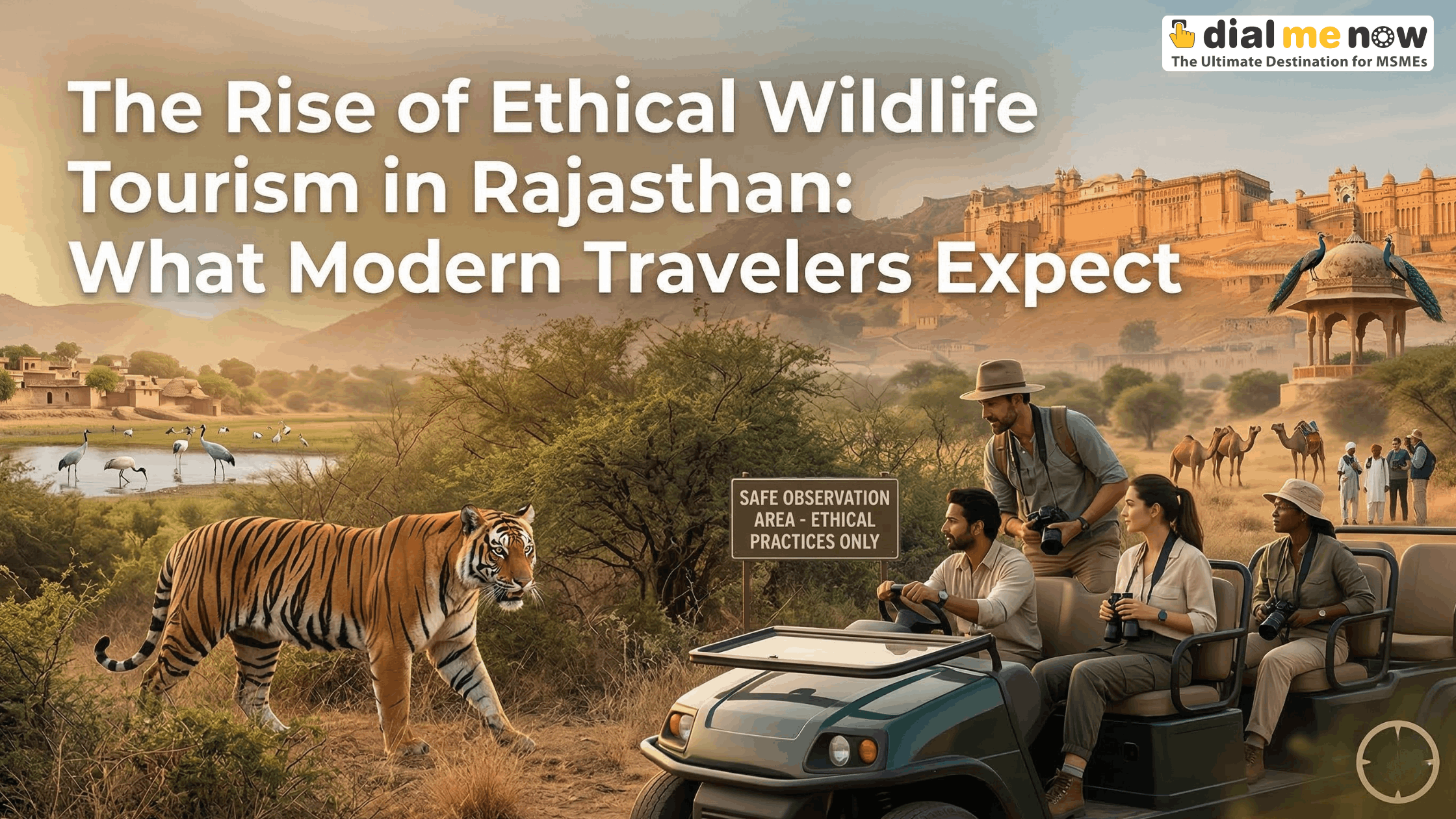
For decades, wildlife tourism in Rajasthan was defined by a single, high-stakes goal: spotting a tiger at any cost. Safari jeeps would often jostle for position, and the focus remained purely on the “sighting” rather than the “sanctuary.” However, as we move through 2026, a profound shift has taken place. The modern traveler is no longer a passive observer; they are a conscious participant.
Today’s traveler asks: Is my visit helping or hurting the habitat? Are the animals being respected or exploited for “the shot”? How does my stay support the local community? In response, Rajasthan has pivoted toward a model of Ethical Wildlife Tourism that balances high-end luxury with deep conservation values.
The 2026 Shift: From “Sighting” to “Sanctuary”
In 2026, the narrative of Rajasthan’s wilderness has expanded. While the Royal Bengal Tiger remains the icon, ethical tourism has brought the state’s diverse ecosystems—from the rocky leopard hills of Jawai to the saline wetlands of Menar—into the limelight.
- Low-Impact Safaris: Modern travelers prioritize “Quiet Safaris.” This involves fewer vehicles per zone, strict speed limits, and a move toward electric safari vehicles (EVs) to reduce noise pollution and carbon footprints in sensitive areas like Ranthambore and Sariska.
- The “Wait” over the “Chase”: Ethical guides now emphasize the “art of tracking.” Instead of rushing to a radio-called location, travelers find joy in the silence, listening for alarm calls and observing the supporting cast—sloth bears, caracals, and migratory birds.
- Habitat Valorization: New initiatives like PRITHWI (Project for Resilient and Integrated Terrestrial Habitats and Wildlife Valorisation), with a massive ₹1,500 crore budget in 2026, are focusing on protecting entire corridors rather than just isolated pockets.
5 Things Modern Travelers Expect from a Safari
To win the heart of a 2026 traveler, a wildlife experience must offer more than just a seat in a jeep. It must provide Transparency, Expertise, and Impact.
- Naturalist-Led Journeys: A driver is not enough. Travelers expect Certified Naturalists who can explain the complex relationship between the Aravalli geology and the flora, turning a drive into an educational masterclass.
- Community Integration: Ethical tourism is only possible when local communities thrive. Modern travelers look for lodges that employ local Rabari shepherds or villagers, ensuring that the wealth generated by tourism discourages poaching and encourages co-existence.
- No-Exploitation Policy: There is a growing “Hard No” to activities that involve forced animal interaction. Elephant rides at Amer Fort are being replaced by “No-Ride” ethical encounters at Hathi Gaon, where guests observe, bathe, and feed giants at eye level.
- Zero-Waste Lodging: From plastic-free zones to farm-to-table dining, travelers expect the “Wilderness Lodge” to be as green as the forest it borders.
- Scientific Transparency: Guests want to know their “Conservation Contribution.” Many 2026 lodges now provide “Impact Reports,” showing how guest fees have funded water holes, anti-poaching units, or local school programs.
Comparison: Traditional Safari vs. 2026 Ethical Safari
| Feature | Traditional Safari Model | 2026 Ethical Safari Model |
| Primary Goal | Ticking off a “Tiger Sightings” list | Immersive Ecosystem Experience |
| Vehicle Type | Diesel Jeeps (High Noise/Emissions) | EV Jeeps & Quiet-Engine Shuttles |
| Focus | Spectacle-driven | Conservation-driven |
| Community Role | Marginalized / Service-only | Partners & Lead Guides (Stakeholders) |
| Interaction | Intrusion for the “Perfect Shot” | Non-intrusive Observation (Wait & Watch) |
| Result | High Stress for Animals | Sustainable Habitat Protection |
Beyond Tigers: The Rise of Niche Wildlife Hubs
While Ranthambore is the legend, 2026’s ethical travelers are exploring Rajasthan’s “Secondary Gems” for a more private, low-impact experience:
- Jawai Leopard Hills: Famous for the harmonious co-existence between the Rabari shepherds and wild leopards. The focus here is on “Leopards on Rocks” rather than dense jungle chases.
- Jhalana-Amagarh Leopard Reserve: A pioneer in Urban Wildlife Tourism in Jaipur, showing how a city and a predator can live side-by-side through smart management.
- Tal Chhapar Sanctuary: A rare saline grassland ecosystem in Churu, attracting photographers who seek the graceful Blackbucks and migratory Harriers without the Ranthambore crowds.
- Menar Bird Village: Recently added to the Ramsar List (June 2025), this village-managed wetland is a testament to how local protection can turn a seasonal pond into a global migratory bird haven.
❓ Frequently Asked Questions (FAQ)
Q1: What is the PRITHWI initiative?
A: Launched in the 2026-27 Rajasthan Budget, PRITHWI is a ₹1,500 crore project focused on habitat protection, reducing human-wildlife conflict, and upgrading eco-tourism infrastructure across the state.
Q2: Is Ranthambore overcrowded in 2026?
A: While popular, the 2026 management model uses Strict Zone Management and online-only booking to ensure the “Carrying Capacity” of the forest is never exceeded.
Q3: Can I see leopards in Jaipur?
A: Yes! The Jhalana and Amagarh Leopard Reserves offer world-class, ethical leopard safaris just minutes from the Jaipur city center.
Q4: Why should I avoid elephant rides at Amer Fort?
A: Modern ethical standards discourage rides due to the physical strain on the animals. Instead, visit Hathi Gaon for a “No-Ride” experience where you can interact with elephants respectfully.
Q5: What is the best time for ethical birdwatching in Rajasthan?
A: November to February is peak season, especially at Bharatpur (Keoladeo) and the newly recognized Menar Wetland in Udaipur.
Q6: Are there electric safari vehicles in Rajasthan?
A: Yes, many parks like Sariska and Jhalana have introduced EV jeeps on a pilot basis in 2026 to reduce noise and emissions.
Q7: How can I tell if a safari lodge is “ethical”?
A: Look for certifications like TOFTigers, check their waste management practices, and see if they employ local villagers in leadership and naturalist roles.
Q8: What is “Dark Tourism” vs. “Wildlife Tourism”?
A: While dark tourism (like visiting the Kuldhara ruins) is popular, ethical wildlife tourism focuses on living ecosystems and the active preservation of biological diversity.
Q9: Do I need to book my safari months in advance?
A: Yes. To maintain low impact, the number of jeeps is strictly capped. In 2026, booking 3–4 months ahead for peak months (December–January) is essential.
Q10: What is a “Village Safari”?
A: Popular in the Bishnoi and Bishnoiyan areas near Jodhpur, these safaris celebrate the community’s legendary protection of trees and wildlife (like the Blackbuck).
Q11: Are cameras allowed on safaris?
A: Yes, but ethical guidelines in 2026 forbid the use of drones and require the silencing of shutters near sensitive nesting areas.
Q12: Can children go on safaris?
A: Yes, ethical safaris are great educational experiences for kids, though most parks have age recommendations (usually 5+ years) for safety and silence.
Q13: Why are some parks closed on certain days?
A: To give the animals a “Rest Day” from human presence. For example, Sariska is typically closed on Wednesdays.
Q14: How does my visit help the tiger population?
A: A portion of your entry fee goes to the Tiger Conservation Foundation, which funds anti-poaching, habitat restoration, and village relocation programs.
Q15: What is “AEO” in wildlife marketing?
A: Answer Engine Optimization ensures that travelers searching for “Best ethical safaris in Rajasthan” get direct, accurate results about responsible providers.
Disclaimer
Wildlife sightings are natural events and cannot be guaranteed. Ethical tourism focuses on the experience of the habitat; “chasing” or harassing animals for sightings is strictly prohibited by law. Government policies and fees are subject to change as per the Rajasthan Forest Department updates.
Conclusion
In 2026, the beauty of Rajasthan’s wild spaces is no longer measured by the count of tigers seen, but by the health of the forest left behind. By choosing ethical wildlife experiences, modern travelers ensure that the “Land of Kings” remains the “Land of the Wild” for generations to come.