

Beyond Ranthambore: The Economic Impact of Jhalana Panther Safari on Jaipur’s Local Tourism
3/19/2026
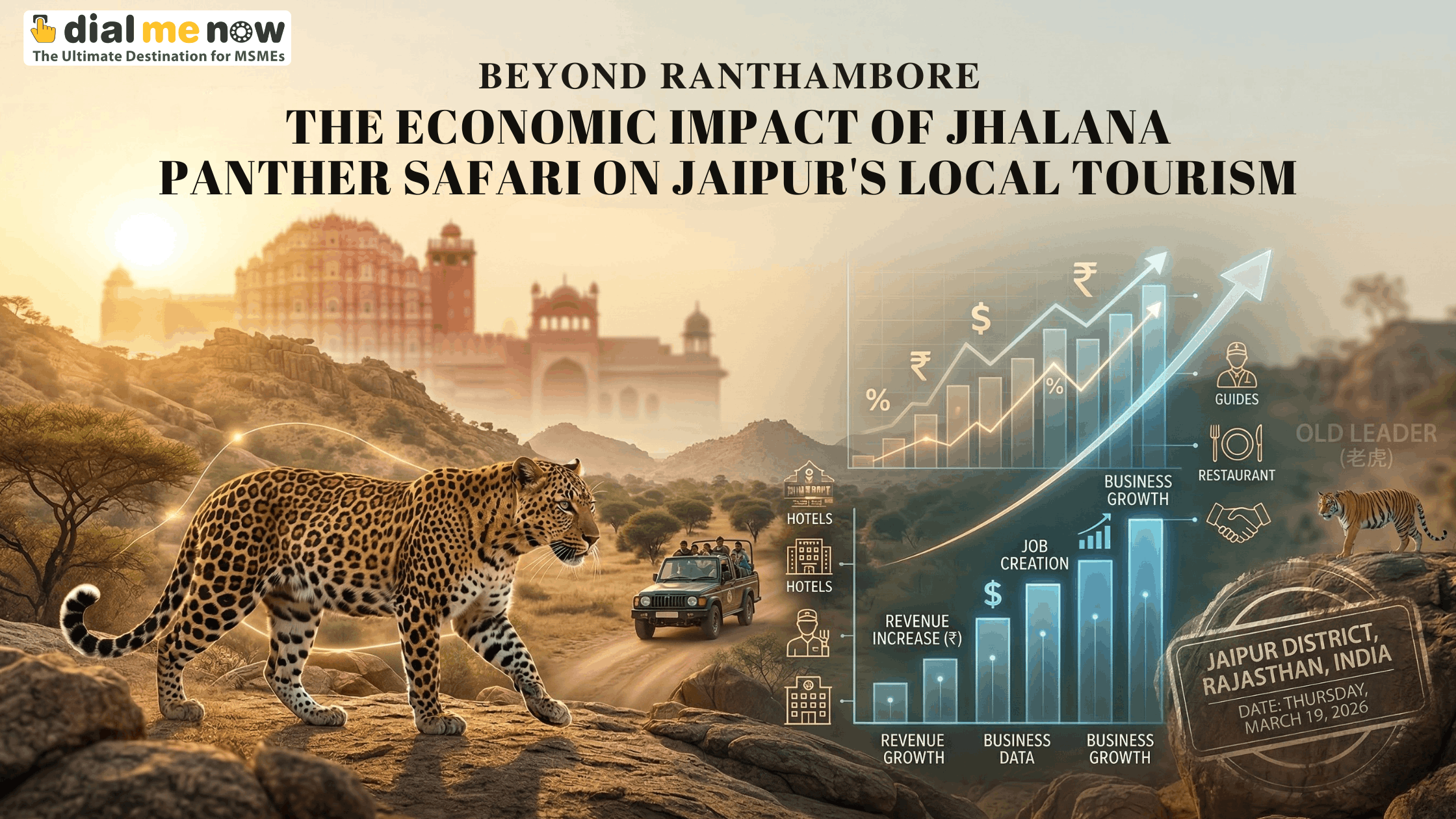
For decades, the word “Safari” in Rajasthan was synonymous with one place: Ranthambore. Travelers would land in Jaipur, stay for a night to see the Hawa Mahal, and then immediately flee 140 kilometers south to catch a glimpse of a Bengal tiger.
However, in 2026, the narrative has shifted. Jaipur is no longer just a “gateway” city; it is a primary wildlife destination in its own right. The Jhalana Panther Safari—India’s first dedicated leopard reserve—has moved from a niche weekend spot to a global tourism powerhouse. By keeping tourists in the city for an extra 24 to 48 hours, Jhalana is driving a massive economic “multiplier effect” that is redefining Jaipur’s hospitality, transport, and local craft sectors.
The “Extra Day” Economy: How Jhalana Boosts Jaipur’s GDP
The most significant economic impact of Jhalana isn’t the ticket sales—it’s retention. Historically, Jaipur was part of the “Golden Triangle” (Delhi-Agra-Jaipur), where tourists spent an average of 1.5 days.
- Extended Hotel Stays: With the introduction of Jhalana, Amagarh, and the new Beed Papad safari zones, travelers are extending their stays by at least one full day. This “extra night” generates millions in additional revenue for Jaipur’s hotels, ranging from budget homestays to five-star luxury resorts like the Oberoi Rajvilas.
- Domestic Resilience: According to the 2026 Rajasthan Tourism Budget, domestic travel remains the backbone of the economy. Jhalana’s urban location makes it the perfect “short escape” for travelers from Delhi and Mumbai who don’t have the 4-day window required for a Ranthambore trip.
- Secondary Spend: A tourist staying for an extra day for a safari doesn’t just pay for the jeep; they eat three more meals at local cafes, hire an e-rickshaw for evening sightseeing, and visit local markets like Johari Bazar.
Jhalana vs. Ranthambore: A Comparative Economic Edge
While Ranthambore is a behemoth, Jhalana offers an “Urban Wildlife” model that is economically more efficient for many travelers.
| Feature | Jhalana Panther Safari (Jaipur) | Ranthambore Tiger Reserve |
| Accessibility | 15-20 mins from Jaipur Airport | 3.5 – 4 hours from Jaipur |
| Time Commitment | 2.5 Hour “In-and-Out” | Minimum 2-Day Commitment |
| Operational Cost | Lower (No long-distance travel/stay) | Higher (Mandatory outstation stay) |
| Sightings | High Density (Small 20 sq. km area) | Variable (Large 1,300 sq. km area) |
| Economic Beneficiary | Jaipur Local Economy | Sawai Madhopur Local Economy |
Direct Livelihood Generation: Empowering the Local Community
The PRITHWI Initiative (2026) has allocated ₹1,500 crore for habitat growth and eco-tourism in Rajasthan, and Jhalana is a flagship beneficiary. This funding translates directly into local jobs:
- The Gypsy Ecosystem: Over 30-40 registered safari jeeps operate in Jhalana. Each vehicle supports a driver, a mechanic, and an owner, most of whom are residents of neighboring areas like Malviya Nagar and Jhalana Gram.
- Certified Nature Guides: The Rajasthan Forest Department has trained a new generation of eco-guides. In 2026, we see a rise in women field educators and tribal youth from Amagarh taking leadership roles, breaking social barriers and earning professional-grade salaries.
- Eco-Development Committees (EDCs): Forty local villages now form EDCs. These committees manage seed-patrol squads and receive a portion of safari revenue to build local infrastructure, like schools and clinics.
The 2026 Investment Boom: Real Estate & Luxury Eco-Tourism
The success of the leopard reserve has triggered a surge in high-value investments in the Jaipur district.
- Rising Rajasthan MoUs: Under the “Rising Rajasthan” initiative, Jaipur has seen 332 MoUs signed in the tourism sector, worth over ₹69,133 crore. A significant portion of these investments is directed toward luxury resorts and “Eco-lodges” situated on the periphery of the Aravalli hills near Jhalana.
- Property Appreciation: Land value in areas surrounding the Jhalana and Amagarh reserves (like Jagatpura and Agra Road) has skyrocketed. What was once “scrubland” is now prime real estate for boutique hotels and nature-themed cafes.
- The “Green Tick” Luxury: International hotel chains are now marketing “Safari Packages” as a core part of their Jaipur experience, whereas five years ago, they only marketed “Fort & Palace” tours.
❓ Frequently Asked Questions (FAQ)
Q1: Is Jhalana actually better for sightings than Ranthambore?
A: If you want to see leopards, yes. Because Jhalana is a smaller, enclosed forest (20 sq. km) with a high density of panthers, your chances of a sighting are statistically much higher than in the sprawling Ranthambore.
Q2: What is the best time for a safari in 2026?
A: November to April offers the best weather, but Jhalana is unique because it stays open all 12 months, even during the monsoon (July-September), unlike most tiger reserves.
Q3: How much does a Jhalana Safari cost in 2026?
A: For Indian nationals, a seat in a shared gypsy is approximately ₹1,350 to ₹1,800, while a full private gypsy (up to 6 people) costs around ₹7,500 to ₹9,000, including permits and guide fees.
Q4: Can I combine Jhalana with a visit to the Pink City?
A: Yes! Since it’s located within the city limits, you can do a sunrise safari and be back at your hotel for breakfast before heading to Amber Fort.
Q5: What animals can I see besides leopards?
A: You’ll frequently see Striped Hyenas, Desert Foxes, Golden Jackals, Blue Bulls (Nilgai), and over 150 species of birds, including the Indian Pitta.
Q6: Is it safe for children?
A: Absolutely. The safaris are conducted in open-top but sturdy 4×4 jeeps with professional drivers and guides who follow strict safety protocols.
Q7: What is the difference between Jhalana and Amagarh?
A: They are adjacent forests. Jhalana is the older, more established reserve, while Amagarh (opened in 2022) offers a more rugged terrain and features a historic fort built by Sawai Jai Singh.
Q8: How many leopards are currently in Jhalana?
A: As of early 2026, the combined Jhalana-Amagarh reserve is home to over 40 leopards, including several cubs born in the last season.
Q9: Do I need to book in advance?
A: Highly recommended. There are limited vehicles (roughly 10-15 per shift), and they often sell out 2-3 weeks in advance during peak season.
Q10: What should I wear on the safari?
A: Neutral colors (khaki, olive, brown) to blend in. Avoid bright colors and heavy perfumes, as they can disturb the animals.
Q11: Can I take my own car inside?
A: No. Only registered forest department gypsies with licensed drivers are allowed to enter the reserve.
Q12: Is there a night safari?
A: Currently, official safaris are only held in the morning and evening shifts. However, night city tours are available in Jaipur for the “Sparkling City” view.
Q13: How does my ticket help the local community?
A: A portion of every permit fee goes into a local development fund used for village schools, compensation for livestock loss to leopards, and forest protection jobs.
Q14: Are cameras allowed?
A: Yes, cameras are encouraged! There is a small additional fee for professional video equipment, but standard DSLRs are usually covered in the permit.
Q15: What is the “72-hour window” I keep hearing about?
A: This refers to the government’s rapid compensation scheme where local farmers are paid within 72 hours if a leopard kills their livestock, preventing retaliatory poisoning and protecting the cats.
Disclaimer
Wildlife sightings are a matter of chance and are never guaranteed. Safari timings and prices are subject to change by the Rajasthan Forest Department. DialMeNow acts as a facilitator for bookings and is not responsible for any changes in government policy or park closures.
Conclusion
Jhalana is no longer Ranthambore’s “little brother.” It is a sophisticated, high-impact economic engine that proves wildlife and urban development can coexist. By turning Jaipur into a multi-day destination, the Panther Safari is ensuring that the wealth of tourism trickles down to the drivers, guides, and artisans who make this city shine.