

Wildlife & Nature Trails in Mount Abu: A Complete Guide to Rajasthan’s Green Oasis
9/1/2025
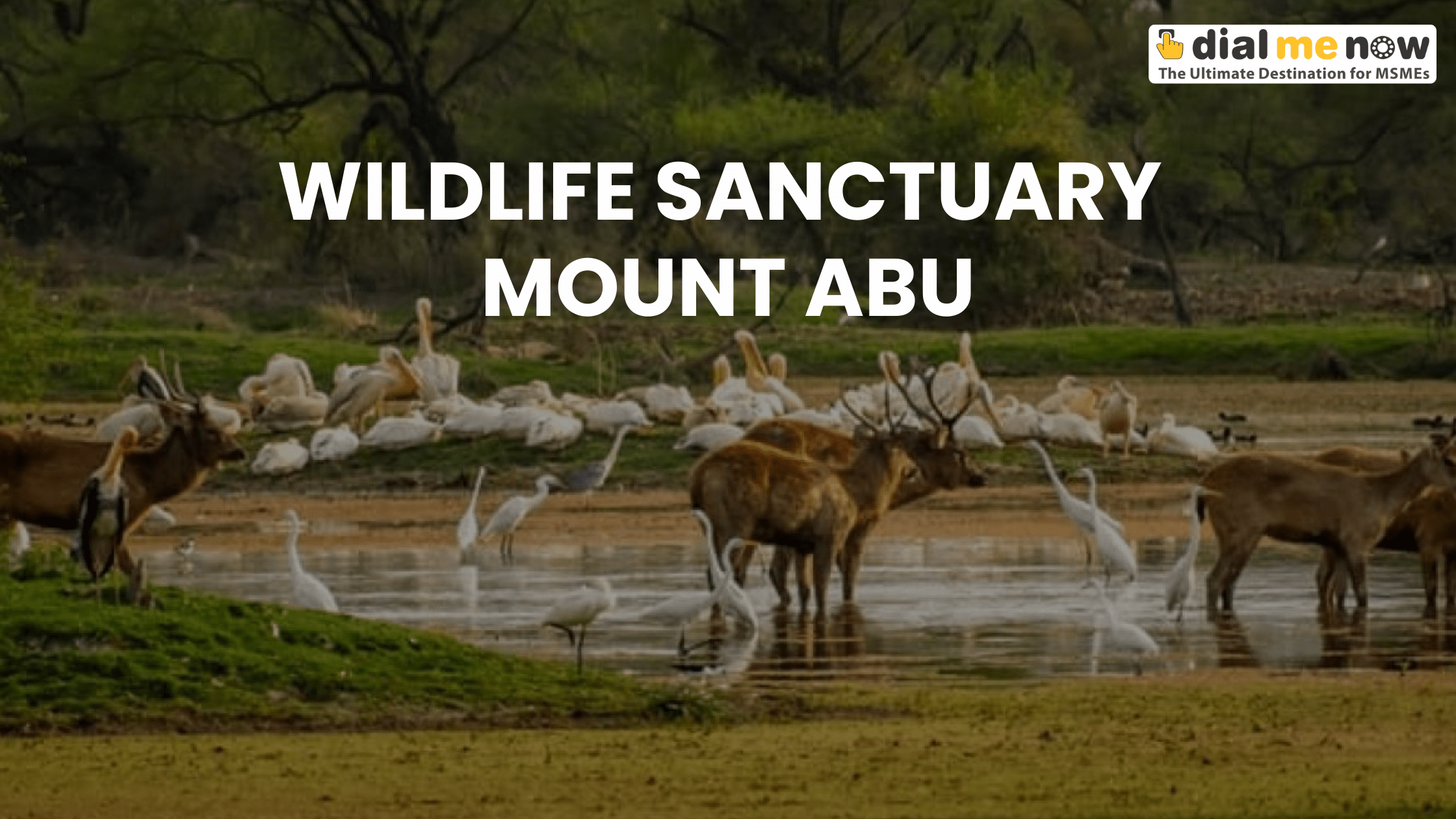
Mount Abu is Rajasthan’s cool, forested outpost—a granite island rising from desert plains, where leopards prowl, orchids bloom, and Jain temples glow white as moonlight. It’s also a walker’s paradise: a mesh of old forest paths and village trails weaving through one of India’s oldest mountain systems, the Aravalli Range. This guide dives deep into Mount Abu’s wildlife, trails, history, and culture so you can plan an informed, ethical, and unforgettable trip.
Why Mount Abu?
- Only hill station in Rajasthan, perched on the Aravalli Range, with its highest point at Guru Shikhar (1,722 m)—a panoramic summit crowned by a temple to Dattatreya.
- Mount Abu Wildlife Sanctuary protects ~288–289 km² of mixed forests, rocky plateaus and ravines. It is renowned for leopard and sloth bear sightings, >250 bird species, and unusual flora for Rajasthan (including orchids, wild roses, and ferns).
- The sanctuary and town lie within a legally Eco-Sensitive Zone (ESZ) that curbs polluting activities and protects fragile habitats—a big reason the hills remain lush.
A Brief History—and Why It Matters
Mount Abu is layered with legend and history. Ancient texts and local lore remember the region as Arbudaanchal, a forested refuge of sages; the Gaumukh (Vashistha) Ashram commemorates Vedic myths associated with sage Vashistha.
From the 11th to 16th centuries, the Dilwara Jain Temples—five marble masterpieces—rose on these slopes, widely considered among the finest Jain monuments in India. Their Solanki-style architecture and ethereal carvings draw pilgrims and art lovers from across the world.
In the colonial era, British engineer Col. G.H. Trevor built Trevor’s Tank, a forested reservoir and crocodile-breeding site that today anchors a popular nature trail and birding spot.
Culturally, Mount Abu sits amid communities such as Bhil and Garasia, whose traditions still shape local markets, festivals, and crafts. If you’re here in late December, the Winter Festival turns the lakeside into a whirl of folk dance, music, and kite-flying.
The Sanctuary at a Glance
- Status & size: Forested protected area of ~288–289 km²; sources conflict on the exact year of sanctuary notification (1960 vs 1980). Rajasthan Forest brochures cite 1960, while other official/academic sources record 1980. Either way, it’s one of Rajasthan’s key biodiversity refuges.
- Ecosystems & flora: From thorn scrub at lower slopes to evergreen pockets along streams, with 112 plant families / 820 species; rare orchids, 3 species of wild roses, 16 fern species, and bamboo thickets in the southwest.
- Wildlife highlights: Indian leopard, sloth bear, sambar, chinkara, and >250 birds including grey junglefowl. Look out for the Green Avadavat (Amandava formosa), a threatened finch with an important population here.
Signature Nature Trails & Treks
Always check current access rules with the Forest Department; some trails cross protected zones and timings/fees may change seasonally.
1) Bailey’s Walk (≈4–4.5 km / easy–moderate)
A shaded, family-friendly path through sanctuary edges with vantage points for birding. Trail info indicates an approachable ~2.6-mile loop; expect forest birds, langurs, and seasonal butterflies. Start from near Nakki Lake.
What to watch for: Mixed woodland birds, drongos, barbets; early mornings are best.
2) Craig’s Path (≈3–4 km / easy–moderate)
Undulating forest path linking with Bailey’s and Salgaon Trail near the lake. Great for a half-day wander with plenty of viewpoints.
Tip: Combine Craig’s + Salgaon at dawn for photography—soft light, fewer crowds.
3) Salgaon Trail (≈3 km / easy)
A gentle ramble through scrub and light forest, often quiet even in high season. Birds and small mammals are more active after monsoon when the undergrowth flushes.
4) Gaumukh / Vashistha Ashram (≈1.5–2 km with ~700–750 steps down/up / moderate)
Steep stepped descent through forest to the Gaumukh spring and Vashistha Ashram—a serene spiritual site with a carved cow’s head spouting water. Come early to avoid heat.
5) Guru Shikhar Summit Walk (last stretch / easy)
A road leads most of the way; the final ~300 steps climb to Dattatreya’s cave-temple at 1,722 m, the highest point in Rajasthan, with sweeping Aravalli views. On clear winter days you’ll see ridgelines folding to the horizon.
6) Trevor’s Tank Nature Trail (≈2–3 km / easy)
A tranquil forested loop around a colonial-era reservoir, popular for crocodile viewing and birdwatching; black bear sightings are occasional—maintain distance and carry no food in hand.
7) Toad Rock Lookout (short climb / easy)
A 15–20 min clamber above Nakki Lake to a natural “toad-shaped” boulder—great for sunset panoramas.
Wildlife & Birding: What You Might See
- Big mammals: Leopard (sign at dawn/dusk), sloth bear (fruiting season; keep strict distance), sambar, wild boar, chinkara.
- Small carnivores: Jungle cat, civet, hyena, jackal, fox; sightings are luck-based but tracks are common on sandy paths.
- Birds: Over 250 species—from grey junglefowl booming at dawn to crested serpent-eagles riding thermals. If you’re a birder, the Green Avadavat is the prize; Mount Abu supports one of its strongest populations.
Best practices: Walk quietly, stick to marked trails, use 8× or 10× binoculars, and avoid playback calls. The ESZ specifically seeks to reduce noise, litter, and other pressures.
Seasons & When to Go
- Oct–Feb (peak for trails & views): Crisp air, clear vistas, comfortable trekking; prime for birding.
- Mar–May (warm, less crowded): Hotter afternoons; start early. Forest shade still makes walks doable.
- Monsoon Jun–Sep (lush but slippery): Waterfalls and revived greenery; heavy July–Aug rain can close some routes, boats, or cause road blocks—check conditions.
Climate records show distinct rainy and dry seasons; July is typically the wettest month.
Culture: Faith, Festivals, and Everyday Life
- Dilwara Temples (11th–16th c.): Marble filigree ceilings, pillared halls, and a living pilgrimage tradition—dress modestly and follow temple rules (no photography inside).
- Nakki Lake legends: One tale credits gods with digging it using their nails (nakh); another speaks of Rasiya Balam carving the basin to win a princess’s hand—both stories still echo in local shrines and storytelling.
- Winter Festival (29–31 Dec): Folk dances (Ghoomar, Gair), Sufi kathak, kite-flying, hot-air ballooning, and a procession to the lakeside celebrate Rajasthan’s cultural tapestry.
- Tribal communities: The hills around Abu are home to Bhil and Garasia groups; respectful visits to weekly haats (markets) are a window into their crafts, music, and attire.
Practicalities: Timings, Fees, Permits
- Sanctuary visiting window: commonly 9:00 a.m.–5:30 p.m.; jeep safaris operate within this window (fees often quoted ₹300 entry / ₹300–₹600 per person for jeep; varies by operator & season). Always reconfirm locally.
- Permissions: Simple walks near town (Bailey’s, Craig’s, Salgaon, Toad Rock) usually don’t require special permits; deeper sanctuary routes and night activities are regulated. Check with the Forest Department for current rules.
- Eco-Sensitive Zone norms: Avoid single-use plastics; follow waste and vehicle restrictions designed to buffer the sanctuary.
Getting There
- Rail: Abu Road (ABR) is the gateway station, about 25–28 km from Mount Abu town; frequent trains from Ahmedabad, Jaipur, Delhi, and Mumbai.
- Air: Udaipur (UDR ~185 km) is the nearest airport; Ahmedabad (SVPI ~221–225 km) often has better connectivity. Taxis link both airports to Mount Abu.
- Road: Good highways from Udaipur, Jodhpur, Ahmedabad, Jaipur; the last ascent is a scenic ghat road through forest.
A 2.5-Day Sample Itinerary (Trail-Focused)
Day 1: Arrive mid-morning → Bailey’s Walk + Craig’s Path (easy, warm-up) → sunset at Toad Rock → evening stroll around Nakki Lake.
Day 2: Early Trevor’s Tank trail (quiet crocodile watch, birding) → brunch → Dilwara Temples (art & history) → late-afternoon Salgaon Trail → lakeside market.
Day 3 (half-day): Pre-dawn drive to Guru Shikhar → steps to the temple for sunrise views → option to descend to Gaumukh if legs allow → depart.
Safety, Ethics & Leave-No-Trace
- Keep 20–30 m from all wildlife; do not feed, call, or block animal paths.
- Bears & leopards: If encountered, stay calm, back away slowly, keep group together; never run.
- Monsoon caution: Trails can be slick; watch for loose rock and sudden stream surges. Recent seasons have brought intense rain spells in Rajasthan; check local advisories before hikes.
- ESZ rules: Minimize plastic, pack out all trash, avoid loud music; respect temple and community norms.
Gear Checklist for the Trails
- Breathable hiking shoes with grip; trekking pole for stair trails like Gaumukh.
- 2L water per person; electrolytes in warmer months.
- Light fleece (winter dawns are chilly), sun hat, rain shell (monsoon).
- Binoculars (8×/10×), headlamp, basic first-aid, ORS, blister kit.
- Offline trail maps downloaded in advance.
Food & Stay Pointers
Mount Abu has a wide range—from simple dhabas to upscale hill-resorts. Around the lake you’ll find vegetarian thalis, local snacks, and seasonal fruits. If you plan pre-dawn starts (Guru Shikhar / birding), choose a stay near Nakki Lake or on the road towards Guru Shikhar for shorter transfers.
Side Trips for History Lovers
- Achalgarh Fort (15th c.): Rebuilt by Maharana Kumbha in 1452 CE, with temples (some dated 1513 CE) and the revered Achaleshwar Mahadev nearby. Combine with a countryside walk and village visit.
Responsible Photography
- No flash inside Dilwara; follow temple signs and attendants’ instructions.
- Wildlife photography: long lenses only; avoid spotlighting or playback.
- Ask consent before photographing people, especially in tribal markets or religious settings.
FAQs
1) Do I need a guide for these trails?
Not for short, well-trodden routes (Bailey’s, Craig’s, Toad Rock), but a licensed local guide helps with wildlife ID, safety, and access nuances—especially in monsoon or if going off the usual paths. ESZ rules and sanctuary timings can shift; locals know current conditions.
2) What are typical sanctuary hours and entry fees?
Commonly 9:00 a.m.–5:30 p.m.; entry and jeep-safari fees are often quoted around ₹300 and ₹300–₹600 per person, but do verify on arrival as operators and seasons vary.
3) When is wildlife easiest to see?
Early morning and late afternoon (cooler, quieter). After monsoon, animals and birds are active; winter offers clearer views through thinner foliage.
4) Is Mount Abu good for birding?
Yes—>250 species recorded, including grey junglefowl and the threatened Green Avadavat, for which Mount Abu is a key site. Carry binoculars and bird quietly.
5) Are there crocodiles at Trevor’s Tank?
Yes. It began as a crocodile-breeding site and remains a good place to (safely) spot them from viewing points. Keep distance.
6) How tough is the Gaumukh trail?
Short but steep, with ~700–750 steps down (and back up). Take it slow, especially in heat or rain.
7) Can I trek at night?
Night activities are restricted in and around the sanctuary. Stick to daytime hours unless you have formal permission/escorts arranged via the Forest Department.
8) What’s special about Guru Shikhar?
It’s the highest point in Rajasthan/Aravallis (1,722 m) with a temple dedicated to Dattatreya and superb sunrise/sunset views.
9) What’s the legend behind Nakki Lake?
Two popular legends: gods dug it with their nails (nakh); or Rasiya Balam carved it overnight to win a princess’s hand. You’ll find small shrines commemorating the tale.
10) Are plastics banned?
The ESZ notification emphasizes strict waste, plastic, and vehicle controls. Carry your own bottle and avoid disposables.
Disclaimer
Wildlife sightings are never guaranteed. Trail access, fees, and timings can change due to weather, conservation needs, or government orders (including Eco-Sensitive Zone regulations). Monsoon conditions can cause slippery sections, temporary closures, or roadblocks—always check locally with the Forest Department or your hotel before heading out.