

Toorji Ka Jhalra: Jodhpur’s Hidden Stepwell Gem
7/24/2025
Introduction
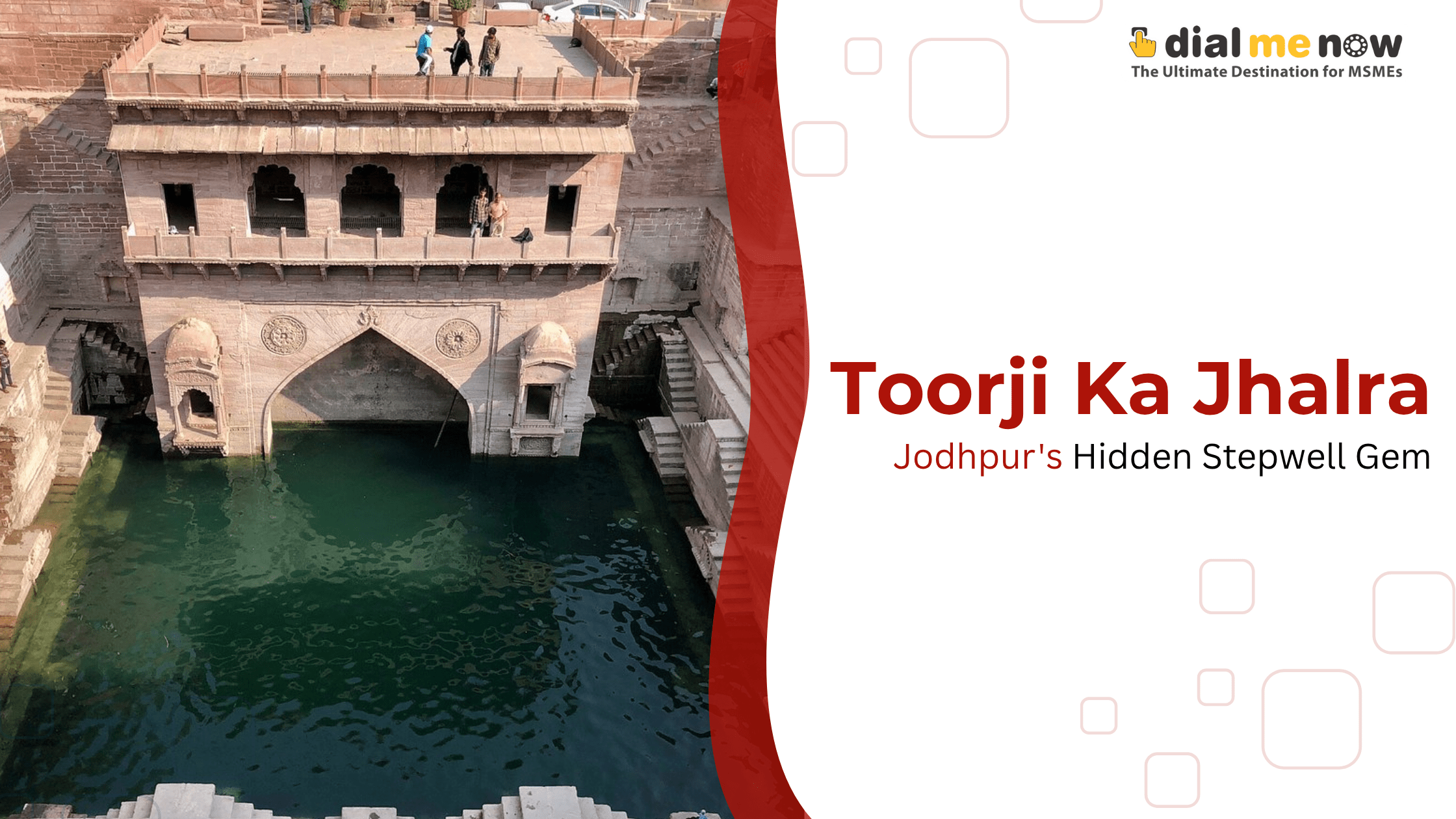
Tucked away in the winding alleys of Jodhpur’s old city, Toorji Ka Jhalra is a hidden marvel among Rajasthan’s ancient stepwells. Also known as the Toorji’s Stepwell or Jhalra, this elegantly stepped water system dates back to the mid-1740s, built during the reign of Maharaja Abhaya Singh (1749–1752), allegedly commissioned by his consort, Queen Toorji (or Toorji Ji). It’s a refuge of shade, serene whispers of water, and architectural grace—distinct from the monumental grandeur of Taj Mahal-style stepwells, though no less magical.
In recent years, following restoration, Toorji Ka Jhalra has regained its character as both a local community space and a photogenic heritage site. Today, it stands at the intersection of daily life and living history—women drawing water, kids playing, artists painting, and travelers reflecting among sandstone tiers and vaulted niches.
This blog delves deep into Toorji Ka Jhalra’s history, design, cultural relevance, walkthrough, and tour planning advice, You’ll discover why it remains an emblem of Jodhpur’s sustainable water wisdom, a canvas for urban renewal, a blend of sacred and social spaces, and an intimate stage for art and heritage in the Blue City.
1) Origins, Patronage & Historical Roots
Stepwells—known as jhalra, baoli, or vav—have been part of Indian water systems since around the 3rd–4th century CE. But Toorji Ka Jhalra is comparatively recent, built some 300 years ago (~1740s), with attributions largely anecdotal, as inscriptions are minimal.
Tradition links it to Maharaja Abhaya Singh’s reign, during which Queen Toorji allegedly commissioned it. This act reflected both practical needs—water conservation in arid Jodhpur—and royal patronage for civic welfare.
The stepwell was likely intended for:
- Rainwater harvesting—during monsoon, steps channel overflow to the subsoil.
- Drinking water access for local residents—until the 1990s, in an era before piped supply.
- Community gathering—it doubled as a social pavilion for women, boys, and fabric washing.
Despite being less grand than Mehrangarh’s stepwells, Toorji Ka Jhalra stood as an example of functional architecture designed for the city’s everyday needs.
2) Stepwell Architecture & Design Elements
2.1 Layout & Structure
Toorji Ka Jhalra is a square stepwell with:
- Four side staircases leading down several terraces.
- Overflow channels directing rainwater to deeper levels.
- Half-landing platforms offering shade—used by water carriers (kumhars) and washerwomen (dhobis).
- A pumpwell at the base.
2.2 Materials & Ornamentation
The structure is built from red and yellow sandstone, the same resilient materials seen in Mehrangarh Fort’s ramparts. Ornamental brackets support small attics and niches—each carved with stylized geometry or vegetal scrolls.
2.3 Decorative Niches & Pavilions
Though not formally decorated with figures, deliberate placement of pavilions creates rhythmic symmetry, offering perspective frames, shadow-play, and vantage points.
2.4 Resonant Acoustics
Descending the steps creates an echoing cascade of sound—every footfall, birdcall, and whispered conversation reverberates, creating a living resonance of time and space.
2.5 Temperature & Microclimate
At the base, temperatures drop several degrees below the surface level due to the earth and water below. This microclimate made it an informal ‘AC’ for people seeking respite during scorching summers.
3) Water & Sustainability in Rajasthan
Rajasthan is India’s most water-stressed state. In historical times, stepwells were key to:
- Rainwater harvesting—storing seasonal inflow for dry months.
- Recharging groundwater—slow percolation through sandy subsoil.
- Community quarantine—they helped avoid queuing well pumps in crowded neighborhoods.
Toorji Ka Jhalra functioned within this ecological paradigm. Each terrace played a role in dissipating spike runoff; the bottom retained drinking water, while the overspill recharged open wells nearby.
4) Cultural Significance & Social Rituals
4.1 Gendered Ritual Space
Traditionally, women lowered pitchers every morning and evening. The steps gave designated rest spots for talking, resting, or singing—creating an improvised all-female social gathering.
4.2 Religious Threads
Some niches hosted small images of Lord Ganesha or Devi—a santification of waterworks. Rituals included:
- Small prayer knocks (ghantes) as pitchers descended.
- Flower offerings during festivals like Navratri or loot-telling jhanki events.
4.3 Communal Celebration & Micro-meditation
The stepwell became a setting for silent reflection, meaningful prayer, and impromptu gatherings—building intangible cultural value across generations.
5) Toorji Ka Jhalra Through Time
- For centuries, used actively until mid-20th-century pipeline water made it redundant.
- By 1990s, it had become a dry-filled, overgrown cavity—unvisited, unloved.
- 2004–2010: Some community attempts at cleanup; local NGOs documented its historical relevance.
- 2016–2019: Major restoration led by Municipal Corporation of Jodhpur plus heritage NGO support.
- Today, it’s a tourist attraction, local gathering place, and platform for heritage art events.
6) The Restoration Journey
6.1 Stakeholder Coordination
Municipal Corporation, private donors, UNESCO documentation teams, and local heritage groups collaborated—a model of community-public restoration.
6.2 Technique & Treatment
- Red sandstone steps cleaned, repaired with matching stone.
- Waterproofing layers applied at joints.
- Drain lines rerouted to prevent stagnation.
- Shading arches replaced; structural surveying ensured safety.
6.3 Cultural Regeneration
- Walkways constructed to access and view the well.
- Lighting installed to highlight arches and water tiers.
- Art residencies invited local folk artists to site.
7) The Modern-Day Role
Toorji Ka Jhalra is today:
- A major tourist stop, promoted on Instagram-worthy heritage tours.
- A community hub for locals—dry seasons see women pumping water.
- A cultural venue—slow-cycle gigs, art talks, yoga classes, silent reading nights in line with stepwell acoustics.
8) Visitor Guide
How to Reach
- Located near Umaid Bhawan–Chopasni Road junction in old city.
- Easily walkable from Mehrangarh Fort (~20–30 min), or via tuk-tuk.
- Auto-rickshaw drop: Toorji Ka Jhalra, Sojati Gate Road.
Timings & Entry Fees
- Open 6 AM–9 PM daily
- Entry Fee: ₹20 for Indians, ₹50 for foreign tourists
- Guided tour add-on: Food, heritage sharings, crafts shop combo available
Accessibility
- Steps and terraces make it unsuitable for wheelchairs; narrow lanes
- Visitors advised: light clothing, covered shoes
- No toilet on-site; available in nearby Shivvati Temple or cafes
9) What to See & Do On-Site
- Step down to base—feel rainfall echo
- Observe stone carvings and repair junctions—learn architectural vernacular
- Rent a jug (matka) and pour water into the deepest recess
- Sit on half-landing to watch community life—listen to giggling children
- Click photos from each level, capturing arches framing Mehrangarh Fort
- Attend sunset event—when lights illuminate
- Purchase crafts—local pottery and miniature pottery vendors
10) Recommended Itinerary
Morning Half-Day
- 9 AM: Arrive via clockwise old city walk
- Visit Stepwell, then Cafe Toorji’s, sampling Rajasthani tea
- Walk up Sojati Road: explore Mehrangarh Rooftop Cafés
- Lunch near Clock Tower
Evening Walk
- Sunset event at stepwell (weekend)
- Continue to Tamborello’s for live folk music
- Nightcap under stepwell ambient glow
11) Photography & Filming Tips
- Use wide-angle lens : capture layers
- Golden hour offers soft sunlight from west
- Reflections in shallow water add interest
- Vertical compositions for arches & ladder symmetry
- A low tripod on terrace landing helps structure
- Respect locals & avoid intrusive shots—ask permission
12) Local Community & Activities
- School children draw and jump; women gather; vendors set up morning tea
- Yoga gatherings: daily early morning
- Craft ten-days workshops: pottery-making, husking jugs
13) Events, Performances & Workshops
- Stepwell Sessions: live instrumental or classical singers
- Silent Reading Nights (monthly)
- Monthly pottery-making demo by local artisans
- Annual Stepwell Fair (March/April): cultural performance, cuisine stalls, heritage walks
14) Conservation & Heritage Management
- MCGM monitors site quarterly
- Volunteer “Stepwell Guardians” clean puddles & educate visitors
- School field trips—archaeologists talk on solar orientation
- Children design “Story Stones” narrating stepwell myth
Disclaimer
Information reflects status as of July 14, 2025; timings, fees, and events may change. Always verify before travel. Cultural behavior is evolving—treat site with reverence.
Conclusion
Toorji Ka Jhalra stands as a living archive of Jodhpur’s ecological engineering and social architecture. An unassuming slice of sandstone steps holds centuries of shared life—from water fetching to artistic heritage, meditation to nightlife acoustics. It’s a space where material history meets urban regeneration, and where community and creativity continue to flow alongside its historic tiers.
Whether you’re a photographer, heritage traveler, architect, or cultural seeker, Toorji’s Stepwell will both humble and inspire—with its quiet blend of utility, tradition, and beauty. Next time you’re wandering around the medina of the Blue City, give Toorji Ka Jhalra its moment—step down, pause, and soak in the layers of history preserved in stone.
Ready to craft a social-media reel, photographic series, or localized tour itinerary around the stepwell’s magic? I’d love to help!
Frequently Asked Questions (FAQs)
Q1: Is water still available to drink from the stepwell?
No—due to hygiene, water is non-potable, but locals use it to splash and meditate.
Q2: Are photography permits required?
Non-commercial photos are free; licensing needed for videography/drone use.
Q3: Can I swim in it?
No—depth is shallow; it’s purely aesthetic and removed of debris.
Q4: Are shoes allowed in the well?
Yes—but remove if asked on platforms during cultural events.
Q5: Is nighttime visit allowed?
Yes, area is well-lit but best to go with locals/guide for safety.