

The Loyalty Blueprint: How to Turn First-Time Customers into Repeat Clients
12/19/2025
Introduction
In the modern business landscape, the “one-hit-wonder” sale is a recipe for stagnation. While customer acquisition often gets the most marketing budget and glory, the true engine of sustainable, high-margin growth is Retention.
As we move through 2025, the cost of acquiring a new customer has surged by nearly 50% on major platforms like Amazon and Google. In contrast, existing customers tend to spend 67% more than first-time buyers and are far more likely to refer your brand to others.
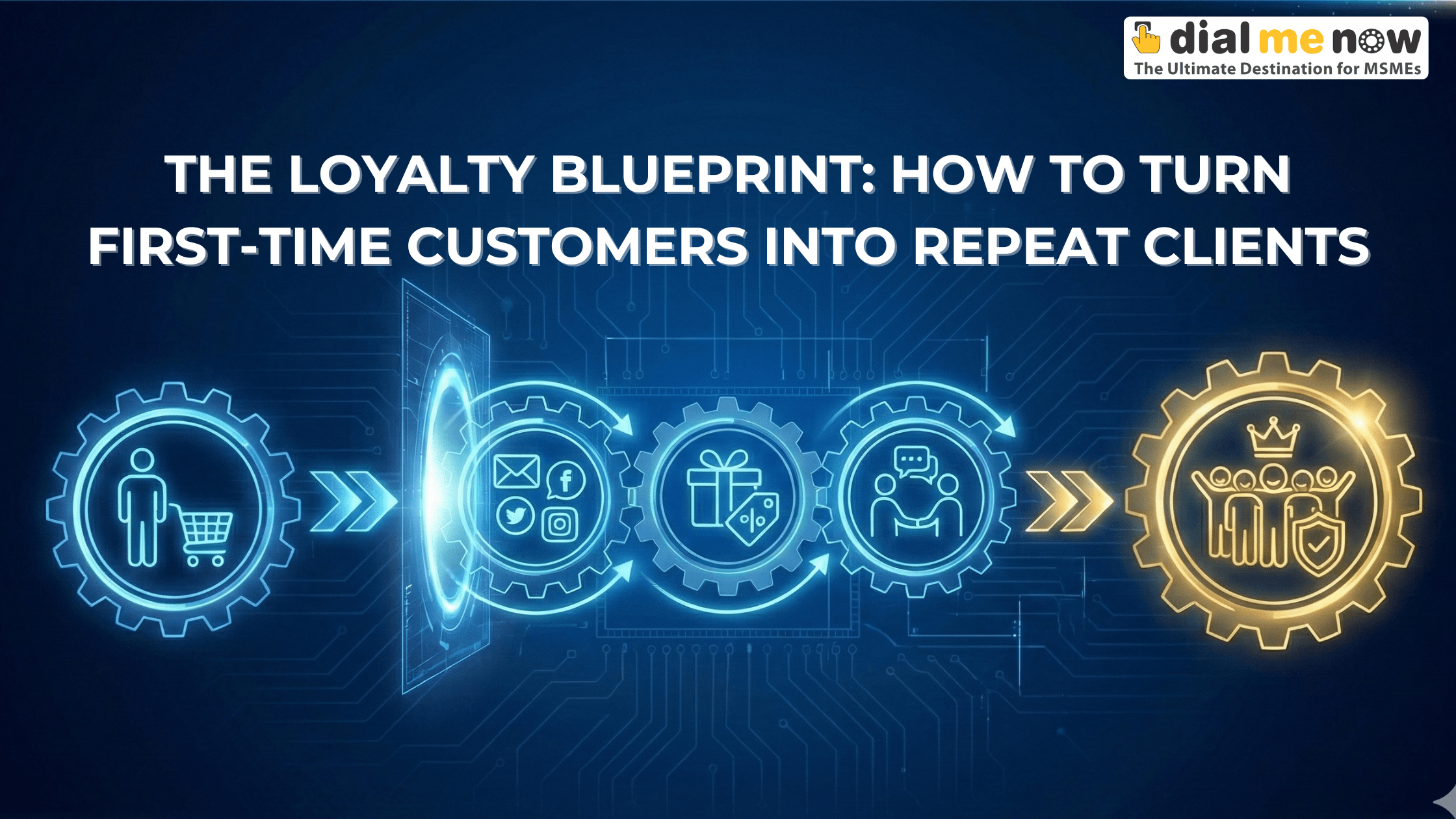
Turning a first-time buyer into a repeat client isn’t just about having a great product—it’s about the psychological journey you take them on after they hit the “buy” button. This guide explores the “Retention Funnel,” from the crucial first 24 hours to building long-term emotional loyalty.
The Critical First 24 Hours: Nail the Post-Purchase Experience
The moment a customer completes their first purchase, they experience a mix of excitement and “Buyer’s Remorse.” Your job is to replace doubt with delight immediately.
A. The Automated “Thank You” with a Twist
Don’t just send a generic receipt. Use your welcome email to start a relationship.
- Personalization: Greet them by name and acknowledge exactly what they bought.
- The “Next Step” Guide: If you sell a product, send a “Getting Started” video or a 1-page PDF guide. If you sell a service, explain exactly what happens next in the workflow.
B. Real-Time Transparency
Anxiety kills loyalty. Use automated SMS or Email updates to provide a “play-by-play” of their order:
- “We’ve received your order! 📦”
- “Our team is hand-picking your items. ✨”
- “Your package is on the move! Track it here: [link]”
The Psychology of Loyalty: Why They Stay
Repeat business isn’t just transactional; it’s emotional. By understanding psychological triggers, you can design a journey that makes switching to a competitor feel like a loss.
The 4 Pillars of Retention Psychology:
- Reciprocity: When you give a “surprise and delight” gift (like a free sample or a 10% discount on their next order), customers feel a psychological urge to return the favor.
- Consistency: Once a customer identifies as “someone who uses [Your Brand],” they are psychologically inclined to keep buying to remain consistent with that identity.
- The Endowed Progress Effect: People are more likely to finish a task (like a loyalty card) if they feel they’ve already started. Giving them “bonus points” just for signing up creates immediate momentum.
- Loss Aversion: High-tier loyalty members (Gold/Platinum) stay because they don’t want to “lose” their status or accumulated perks.
High-ROI Retention Strategies for 2025
A. Tiered Loyalty Programs (Gamification)
Move beyond the “buy 10, get 1 free” model. Create aspirational value with tiers.
- Silver: 5% cashback on all orders.
- Gold: Free shipping + birthday gifts.
- Platinum: Early access to new launches + 24/7 priority support.
B. Personalized Nurturing via SMS & Email
Generic blasts are dead. Use your data to send “surgical” messages:
- Replenishment Reminders: If you sell a 30-day supply of vitamins, send an SMS on Day 25: “Running low? Tap here to restock and get 10% off!”
- Milestone Celebrations: “Happy 1-year anniversary with [Brand]! Here’s a gift to celebrate our journey together.”
C. The Feedback Loop
Ask for feedback early and often. When a customer shares a concern and you fix it, their loyalty often becomes stronger than if they never had a problem at all (the Service Recovery Paradox).
Comparing Acquisition vs. Retention ROI
Understanding the numbers makes the case for retention undeniable.
| Metric | Customer Acquisition (CAC) | Customer Retention (CRC) |
| Typical Cost | As per Region per lead | As per Region per existing client |
| Success Rate | 5% – 20% (Cold leads) | 60% – 70% (Existing clients) |
| Spending Habit | Cautious, low initial spend | 67% higher average order value |
| Marketing Goal | Awareness & Trust | Loyalty & Advocacy |
Turning Inactive Customers into “Re-Actived” Fans
Not every first-time customer will return on their own. Sometimes you need a “Win-Back” campaign.
- The Re-Engagement Offer: “We haven’t seen you in 60 days! We miss you. Here is a ‘Welcome Back’ credit of $10 for your next order.”
- Retargeting Ads: Use social media ads specifically targeted at people who bought once but haven’t been back to your site in 3 months. Show them what’s new or what they’re missing.
Frequently Asked Questions (FAQ)
Q1: What is a “good” repeat customer rate?
A: This varies by industry. For e-commerce, 20-30% is a healthy target. For high-frequency services (like grocery or coffee), it should be significantly higher.
Q2: Should I offer a discount on the very first purchase?
A: Yes, but be careful. High discounts can attract “bargain hunters” who never return. A better strategy is to offer a discount on their second purchase to incentivize the return visit.
Q3: How often should I contact my customers?
A: The “sweet spot” is usually once a week for educational/value content and once or twice a month for heavy promotions. Over-messaging is the #1 reason people unsubscribe.
Q4: Can a small business afford a loyalty program?
A: Absolutely. You don’t need expensive software. A simple digital points card or a “member-only” WhatsApp group can be highly effective and nearly free.
Q5: What is Customer Lifetime Value (CLTV)?
A: It is the total revenue a business can expect from a single customer account throughout their relationship. Increasing retention by just 5% can increase CLTV by up to 95%.
Q6: Does excellent customer service guarantee repeat business?
A: No. Service prevents loss, but active marketing (loyalty programs, reminders) drives returns. You need both to succeed.
Q7: How do I handle a customer who had a bad first experience?
A: Admit the mistake, fix it immediately, and then give them a significant incentive to try you again. A handled complaint is a prime opportunity to build a “fan for life.”
Q8: Is SMS better than Email for retention?
A: They work best together. Use Email for long-form newsletters and education, and SMS for urgent, time-sensitive reminders (like flash sales or pick-up alerts).
Disclaimer
The strategies and statistics provided in this guide are based on current market trends and general consumer psychology as of 2025. Individual results may vary based on your specific industry, product quality, and market competition. Successful customer retention requires a holistic approach that includes high-quality service, competitive pricing, and consistent communication.
Conclusion
Turning a first-time buyer into a repeat client is the difference between a struggling business and a market leader. By focusing on the post-purchase experience, leveraging the power of personalization, and rewarding loyalty through structured programs, you shift your focus from “selling” to “building relationships.” In 2025, the brands that win aren’t just the ones that get the most clicks—they’re the ones that earn the most trust.