

Sajjangarh Palace: Panoramic Views from Udaipur’s Majestic Hilltop Retreat
7/10/2025
Introduction
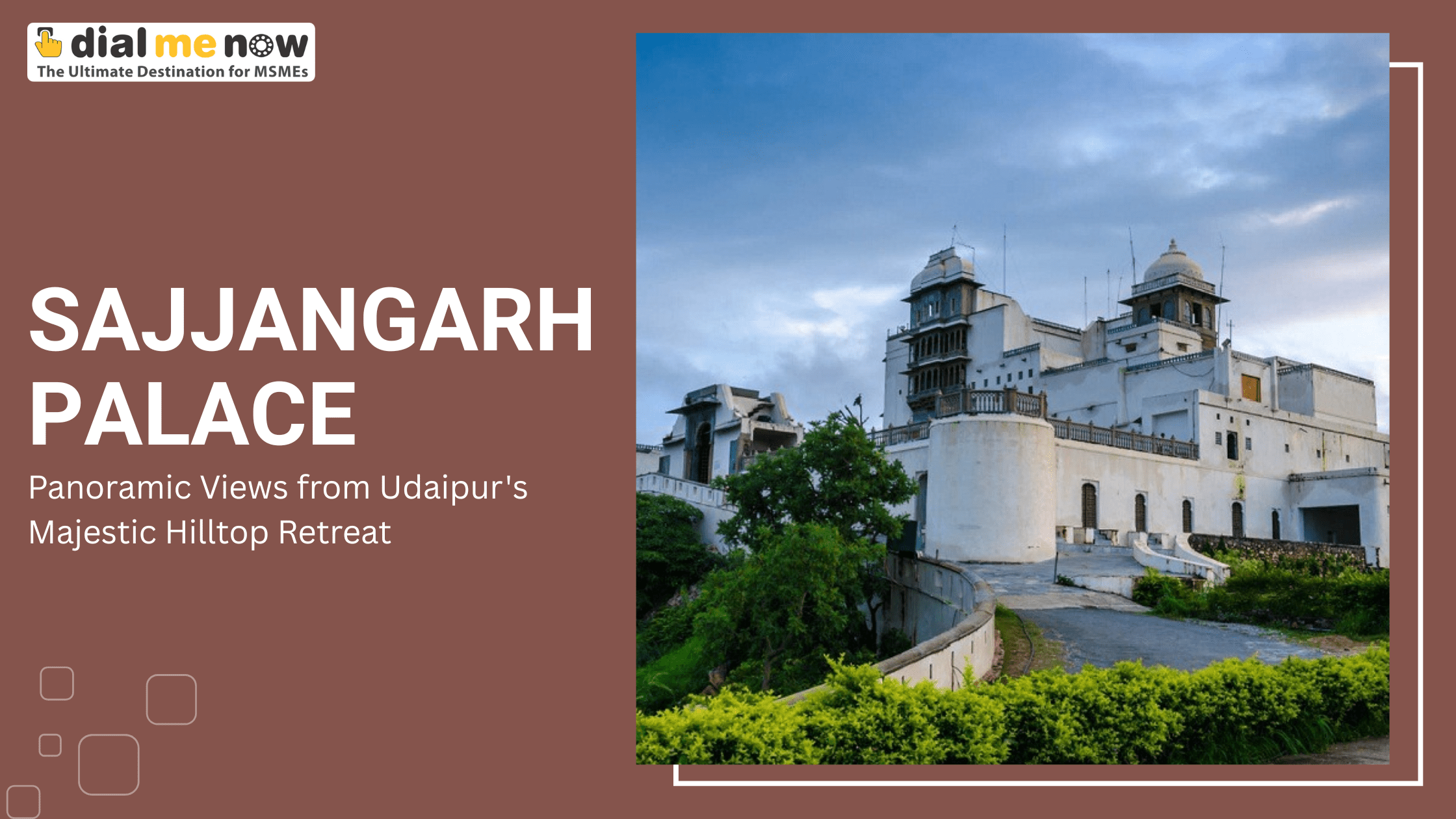
Perched atop the Bansdara hills, overlooking the shimmering Fateh Sagar Lake and offering sweeping views of the Aravalli ranges, Sajjangarh Palace—familiarly known as the Monsoon Palace—is one of Udaipur’s most iconic landmarks. Built during the 19th century by Maharana Sajjan Singh, this glorious white marble palace was originally intended as an astronomical observatory and a monsoon retreat.
Today, Sajjangarh Palace remains a popular tourist destination thanks to its breathtaking panoramic views, striking Rajput-Mughal architectural elements, and a romantic aura that comes alive especially during the rainy season. This high-altitude marvel not only offers history lovers a deep insight into Mewar’s royal past but also promises a surreal sunset experience to all who climb its scenic ascent.
1. Historical Background
A. Vision of Maharana Sajjan Singh
The palace is named after Maharana Sajjan Singh, the 72nd ruler of the Mewar dynasty. Constructed in 1884, the Sajjangarh Palace was envisioned as an astronomical center where the Maharana planned to map the movement of monsoon clouds. His grand ambition was to transform it into a nine-storey observatory that would reflect the scientific prowess of the Mewar kingdom.
Unfortunately, Maharana Sajjan Singh passed away prematurely at the age of 26, and the plan for the observatory was abandoned. His successor Maharana Fateh Singh repurposed the palace into a monsoon retreat and a hunting lodge for the royal family.
B. Strategic Location
Built at an elevation of 944 meters above sea level, the palace was also strategically important, allowing the Mewar rulers to keep a watch over their surrounding territories and forests.
2. Architectural Grandeur
A. Exterior Structure
Sajjangarh Palace is built entirely using white marble sourced locally. Its sleek domes, balconies, jharokhas (overhanging enclosed windows), and intricately carved pillars showcase a blend of Rajput and Mughal architectural sensibilities. The palace is surrounded by fortified walls and features a massive central courtyard.
B. Design Elements
The palace consists of several rooms, grand halls, and wide verandahs that open up to mesmerizing views. Despite its intended astronomical purpose being unrealized, the layout is both aesthetic and practical—crafted to allow rainwater harvesting, natural ventilation, and temperature control.
C. Rainwater Channels and Reservoirs
What makes the Monsoon Palace especially fascinating is its advanced rainwater harvesting system. Numerous underground tanks and channels were designed to store rainwater, making the palace self-sufficient in its time.
3. Cultural & Natural Significance
Sajjangarh Palace is not just an architectural marvel but also a reflection of the harmonious relationship between Mewar royalty and nature. The palace is surrounded by the Sajjangarh Wildlife Sanctuary, a green belt that was once a royal hunting ground and now serves as a haven for flora and fauna.
Species such as panthers, sambars, jackals, and wild boars inhabit the forested area, and the sanctuary is also home to numerous bird species, making it a hotspot for nature enthusiasts and photographers alike.
4. Breathtaking Views & Photography
From the top of Sajjangarh Palace, one can soak in 360-degree views of Udaipur city, including the Fateh Sagar Lake, the City Palace complex, Pichola Lake, and the distant Chittorgarh hills on a clear day. During monsoon, the rolling clouds, foggy hilltops, and vibrant green forests create an ethereal setting that photographers and couples find irresistibly romantic.
The palace is especially famous for its sunset views—many visitors arrive late afternoon to witness the sun dipping behind the Aravalli hills, casting a golden hue over the city.
5. Visiting Information
- Timings: Open daily from 9:00 AM to 6:00 PM
- Entry Fee:
- Indians: INR 30
- Foreigners: INR 300
- Camera Fee: INR 20 (Still), INR 75 (Video)
- Transport:
- Private cars and auto-rickshaws are available from Udaipur city center (around 8–10 km away)
- Udaipur Tourism also runs shared jeep services to the palace, especially during peak season.
- The road up the hill is winding—private vehicles must stop at the forest check post, from where government-run vehicles ferry tourists to the palace gate.
6. Best Time to Visit
- Monsoon (July–September): The palace lives up to its name, offering the most magical views during the rains. Clouds roll into the palace grounds, creating dramatic scenery.
- Winter (October–March): Comfortable temperatures and clear skies make this the most popular time to visit.
- Summer (April–June): Avoid due to heat; the palace remains open but daytime temperatures can be very high.
7. Local Tips & Recommendations
- Sunset Hour: Arrive around 4:30–5:00 PM to enjoy golden hour photography and get a good vantage spot for sunset.
- Footwear: Wear comfortable shoes, especially if you plan to explore the sanctuary or walk around the outer walls.
- Food & Water: Carry water; only basic snacks are available at the top. Nearby cafes and dhabas are located at the base.
- Wildlife Sanctuary: Consider visiting the Sajjangarh Biological Park (separate ticket) if you’re interested in wildlife. It’s located at the base of the hill and offers safari rides.
8. Nearby Attractions
- Fateh Sagar Lake: Perfect for boating and dining; visible from the palace.
- Lake Pichola: Explore via boat ride and visit Jag Mandir and Jag Niwas (Taj Lake Palace).
- City Palace: A historical marvel with museums, galleries, and lake views.
- Karni Mata Ropeway: Offers a different hilltop view of the city and lakes.
- Shilpgram: A rural arts and crafts village showcasing Rajasthan’s vibrant culture.
9. Local Legends & Anecdotes
It is said that Maharana Sajjan Singh, an enlightened ruler, had a passion for astronomy, arts, and progressive governance. He introduced civil infrastructure projects and modernization efforts in Udaipur during his short reign. Sajjangarh Palace stands as a testament to his vision—not just as a royal monument but as an embodiment of his dream to blend science and aesthetics.
Another popular tale tells of how the royal family and court members would gather at Sajjangarh to enjoy the first rains of the season—an event considered auspicious and celebrated with music, dance, and feasting.
Conclusion
Sajjangarh Palace, or the Monsoon Palace, is more than a high-altitude lookout. It’s a relic of royal ambition, scientific curiosity, and architectural grace. Whether you’re a history buff, a couple seeking romance, or a solo traveler chasing panoramic views, this palace is a must-visit when in Udaipur. Its walls echo with the dreams of Maharana Sajjan Singh, while its windows frame the ever-changing skies of Rajasthan.
From its gleaming white marble exterior to the cloud-kissed peaks that cradle it during the monsoons, Sajjangarh Palace is an experience—not just a monument.
Frequently Asked Questions (FAQs) about Sajjangarh Palace (Monsoon Palace)
Q1. What is Sajjangarh Palace famous for?
Sajjangarh Palace, also known as the Monsoon Palace, is famous for its panoramic views of Udaipur, its Rajput-Mughal architecture, and its romantic setting during the monsoon season. It was originally built as an astronomical observatory and later served as a royal monsoon retreat.
Q2. Why is it called the Monsoon Palace?
The palace earned the nickname “Monsoon Palace” because it was intended to monitor monsoon clouds and enjoy the beauty of the rains. Its high-altitude location offers dramatic views during the monsoon season.
Q3. What are the entry fees for Sajjangarh Palace?
- Indians: ₹30 per person
- Foreigners: ₹300 per person
- Camera Fee: ₹20 for still camera, ₹75 for video camera
Q4. What are the opening hours of Sajjangarh Palace?
The palace is open daily from 9:00 AM to 6:00 PM. Last entry is usually allowed around 5:30 PM, especially during sunset.
Q5. How do I reach Sajjangarh Palace from Udaipur city?
You can take a private taxi, auto-rickshaw, or shared jeep from Udaipur (approx. 8–10 km away). Private vehicles must stop at the forest check post, after which tourists are transported via government-run shuttle vehicles to the palace entrance.
Q6. Is there any wildlife near Sajjangarh Palace?
Yes, the palace is surrounded by the Sajjangarh Wildlife Sanctuary, home to animals like panthers, jackals, sambars, and numerous bird species. You can also visit the Sajjangarh Biological Park, located at the base of the hill.
Q7. What is the best time to visit Sajjangarh Palace?
- Best: July to September (Monsoon) for romantic views and lush scenery
- Also Good: October to March (Winter) for pleasant weather
- Avoid: April to June (Summer) due to high temperatures
Q8. Can we watch the sunset from Sajjangarh Palace?
Absolutely! The palace is renowned for its sunset views over the Aravalli hills. Visitors often arrive around 4:30–5:00 PM to capture golden hour photography.
Q9. Are there any food or drink options at the palace?
Only basic snacks and bottled water are available at the top. For full meals or cafes, you’ll find several options at the base of the hill or back in the city.
Q10. Are guided tours available at Sajjangarh Palace?
While there are no official palace guides, local tour operators in Udaipur offer guided packages that include Sajjangarh Palace along with other nearby attractions. Self-guided visits are common too.
Q11. What are some nearby attractions to visit along with Sajjangarh Palace?
Nearby attractions include:
- Fateh Sagar Lake
- Lake Pichola
- City Palace Udaipur
- Karni Mata Ropeway
- Shilpgram (Crafts Village)
Q12. Is photography allowed inside Sajjangarh Palace?
Yes, photography is allowed with a camera fee. It’s a photographer’s paradise, especially during sunset and monsoon, offering wide-angle cityscape and nature shots.
Q13. Can we visit Sajjangarh Wildlife Sanctuary along with the Palace?
Yes, the wildlife sanctuary surrounds the palace and adds to the experience. You can explore it separately and also consider the Biological Park safari at the base.
Q14. Was Sajjangarh Palace ever completed as an observatory?
No. Maharana Sajjan Singh died prematurely at the age of 26, and the palace was never completed as a nine-storey observatory. It was later repurposed as a monsoon retreat and royal hunting lodge.
Q15. Is Sajjangarh Palace wheelchair accessible?
Accessibility is limited due to the elevation and historic structure. Visitors with mobility issues may find it difficult to explore certain sections of the palace.