

Rajasthani Festivals: Experiencing Rajasthan’s Biggest Celebrations
5/27/2025
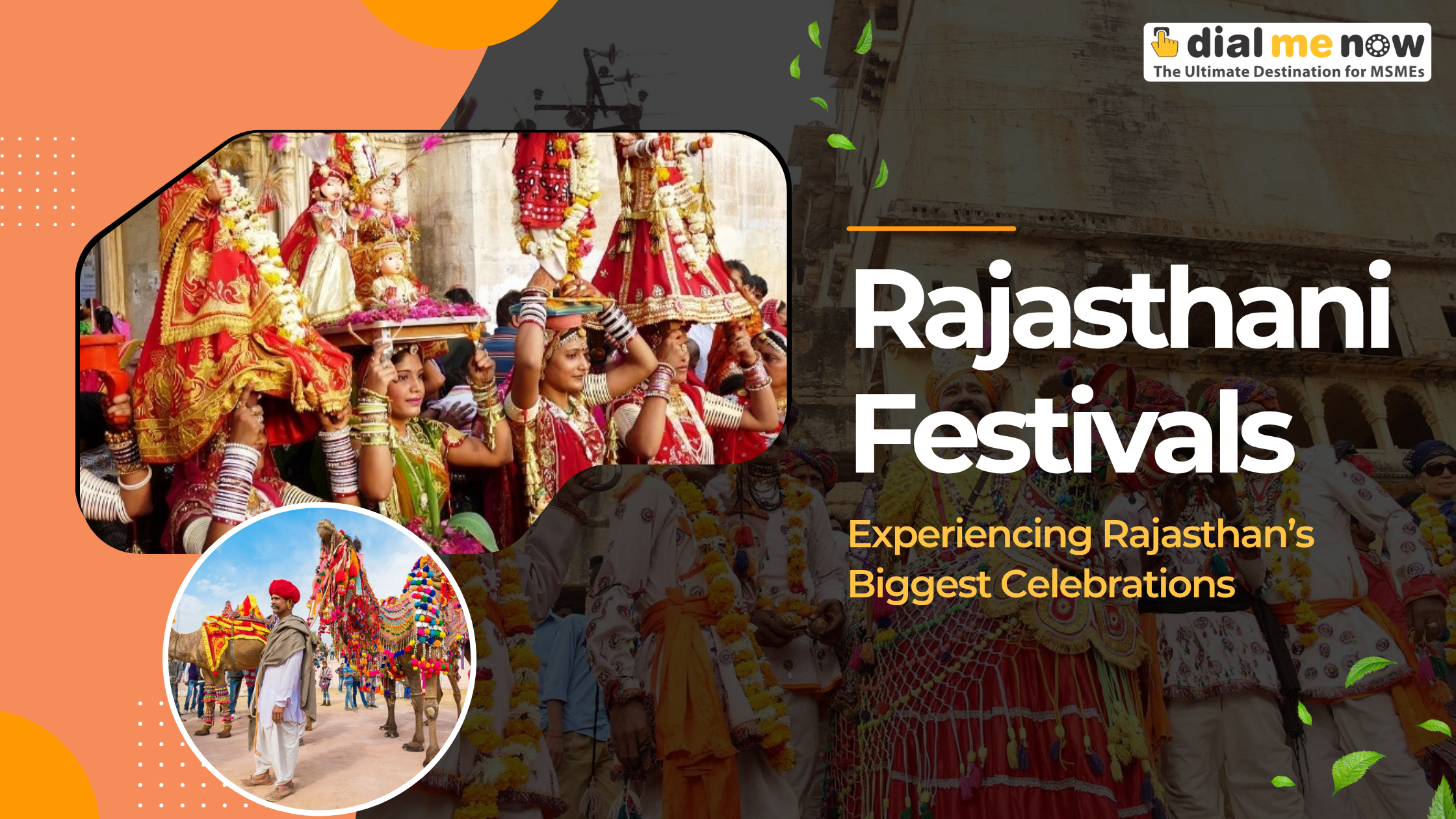
Dancing to the Rhythm of Rajasthan
Rajasthan is more than just palaces, forts, and sand dunes—it is a vibrant land that comes alive through its colorful festivals. Known collectively as the Festivals of Rajasthan, these events showcase the state’s rich heritage, deep-rooted traditions, and communal spirit. Each festival offers unique rituals, vibrant performances, intricate craftsmanship, and sumptuous local cuisine, drawing visitors from around the globe.
Unlike fixed-date festivals elsewhere, many celebrations in Rajasthan follow the lunar calendar, changing slightly each year. Understanding the historical significance and traditions behind each event will enhance your experience and help you appreciate the true spirit of Rajasthan.
DialMeNow provides insightful, accurate information about these events to help you explore Rajasthan better but does not offer booking or travel services for these festivals.
Historical and Cultural Significance of Rajasthan’s Festivals
Rajasthan’s festivals trace their origins back to ancient traditions linked with religion, seasonal cycles, historical events, and folklore. Historically, Rajasthan was home to Rajput kingdoms, whose brave warriors, royal families, and rich folklore deeply influenced its cultural fabric. Festivals celebrated here symbolize everything from victory and prosperity to romance, spirituality, and community harmony.
Mapping Rajasthan’s Festival Calendar
To experience Rajasthan’s festivals fully, consider the following major events:
- January: Jaipur Literature Festival (Jaipur)
- February: Desert Festival (Jaisalmer)
- March/April: Gangaur & Mewar Festival (statewide/Udaipur)
- July/August: Teej Festival (Jaipur, Bundi)
- October/November: Pushkar Camel Fair (Pushkar), Diwali (statewide)
- Variable Dates (usually March): Holi Festival (statewide)
1. Pushkar Camel Fair (October/November)
Known as the world’s largest livestock fair, Pushkar Fair historically marks a significant trading event where camel traders gather from distant villages. The fair also has spiritual roots, coinciding with Kartik Purnima (full moon), when pilgrims flock to Pushkar Lake to bathe and pray at the Brahma Temple—the only major temple dedicated to Lord Brahma in India.
Highlights:
- Livestock Trading: Camels, horses, cattle adorned beautifully for trading.
- Competitions: Camel and horse races, mustache contests, and folk performances.
- Spiritual Rituals: Evening aarti at sacred Pushkar Lake, creating a serene environment amidst bustling activities.
2. Jaipur Literature Festival (January)
Dubbed the “Greatest Literary Show on Earth,” JLF began as a modest event in 2006, rapidly becoming a globally recognized literary gathering. Hosted in Jaipur’s Diggi Palace, this festival celebrates literature, arts, and critical conversations.
Festival Features:
- Keynote Addresses: Internationally acclaimed writers and thinkers.
- Interactive Sessions: Poetry readings, storytelling, and lively debates.
- Children’s Activities: Workshops fostering creativity in young minds.
3. Desert Festival, Jaisalmer (February)
Originating from the desire to celebrate Rajasthan’s unique desert culture, Jaisalmer’s Desert Festival showcases traditional art forms, spectacular camel parades, and vibrant folklore against golden sand dunes.
Attractions Include:
- Cultural Performances: Kalbeliya dance, folk music by Langas and Manganiyars.
- Competitions: Camel decoration contests, turban tying, and mustache contests.
- Local Games: Bullock cart races, kite flying, and tug-of-war.
4. Teej Festival (July/August)
Teej celebrates the arrival of monsoon rains, symbolizing fertility, marital happiness, and feminine power. Women dress in green sarees, fast, and offer prayers to Lord Shiva and Goddess Parvati, reflecting Rajasthan’s reverence for nature and womanhood.
Special Celebrations:
- Swing Ceremonies: Traditional “Jhoola” hung from trees, symbolizing joy and renewal.
- Folk Dance: Performances of the graceful Ghoomar dance, accompanied by dholak and manjira.
5. Gangaur Festival (March/April)
Gangaur, celebrated across Rajasthan shortly after Holi, honors Goddess Gauri (Parvati). Married women pray for marital bliss, and unmarried girls pray for good husbands. This festival showcases Rajasthan’s respect for feminine energy and family bonds.
Festival Traditions:
- Processions: Colorful parades of Goddess Gauri’s idols through streets.
- Community Interaction: Exchange of traditional sweets like Ghevar among families.
6. Mewar Festival, Udaipur (March)
Coinciding with Gangaur, the Mewar Festival celebrates spring’s arrival, marking seasonal renewal and cultural traditions dating back to royal Mewar families.
Event Highlights:
- Floral Processions: Beautifully adorned elephants, horses, and dancers parade along Lake Pichola.
- Cultural Shows: Performances like Chari Dance, puppetry, and folk music.
- Evening Rituals: Floating floral lanterns creating an enchanting atmosphere on Lake Pichola.
7. Holi Festival (March)
Known widely as the Festival of Colors, Holi celebrates the triumph of good over evil, unity, and joy. Rajasthan’s Holi has distinctive local variations like Udaipur’s royal Holi Milan and Jodhpur’s Ela Holi, characterized by flower petal showers and spirited games.
Unique Celebrations:
- Color Battles: Playful throwing of gulal (colored powder) and water balloons.
- Community Bonding: Open participation reflecting communal harmony.
8. Diwali Festival (October/November)
Diwali, or the Festival of Lights, celebrates Lord Rama’s return to Ayodhya after victory over Ravana. Rajasthan’s palaces, forts, and streets illuminate brilliantly, symbolizing the victory of light over darkness.
Main Highlights:
- Illuminations: Stunning decorations of forts, temples, and homes with thousands of oil lamps (diyas).
- Feasting: Traditional sweets, fireworks, and public performances of Ramlila dramatizations.
Immersive Encounters: Deepening Your Festival Experience
To experience Rajasthan authentically:
- Local Homestays: Experience traditional hospitality and regional cuisine like Dal Baati Churma.
- Workshops: Learn crafts such as blue pottery, block printing, or traditional weaving.
- Volunteer Opportunities: Assist community-driven efforts during festivals, fostering deeper cultural connections.
Respectful Festival Travel: Tips for Visitors
Respect Rajasthan’s cultural sensitivities and environmental concerns:
- Photography: Seek permission before photographing individuals, particularly in tribal areas.
- Sustainable Choices: Support eco-friendly accommodations and responsible waste practices.
- Direct Artisan Support: Purchase handmade crafts directly from artisans at fair-trade stalls, promoting local economies.
DialMeNow’s Role: Your Local Information Companion
DialMeNow acts as your trusted information hub, providing accurate and detailed knowledge about Rajasthan’s vibrant festivals, historical context, local insights, and essential dates. However, DialMeNow does not facilitate bookings or logistics for festival attendance. It’s your go-to yellow pages directory for exploring business and event information across Rajasthan.
Conclusion: Let the Celebration Begin!
Rajasthan’s festivals narrate tales of bravery, devotion, and communal harmony, making them far more than events—they represent the heart and soul of its culture. From the camel traders in Pushkar to literary enthusiasts in Jaipur, each festival is an invitation to experience Rajasthan’s timeless traditions and rich heritage.
Through DialMeNow, explore these festivals with accurate insights and historical context, ensuring you enjoy an authentic and meaningful journey. Let your Rajasthan adventure unfold through colors, lights, rhythms, and stories, connecting deeply with India’s most vibrant state.
Experience Rajasthan—where every celebration is a gateway into history, culture, and community.
Disclaimer
All content on this blog is provided solely for general informational purposes—while we strive for accuracy, no warranties (express or implied) are made regarding its completeness, reliability, or suitability, and nothing herein constitutes professional advice (you should consult qualified experts before acting); any brand, product, service, company, or trademark names mentioned are the property of their respective owners and are used only for identification without implying endorsement, sponsorship, or affiliation; in no event shall the blog owner, authors, or affiliates be liable for any damages arising from your use of or reliance on this blog.