

Pushkar Lake: Pilgrimage & Peace
8/22/2025
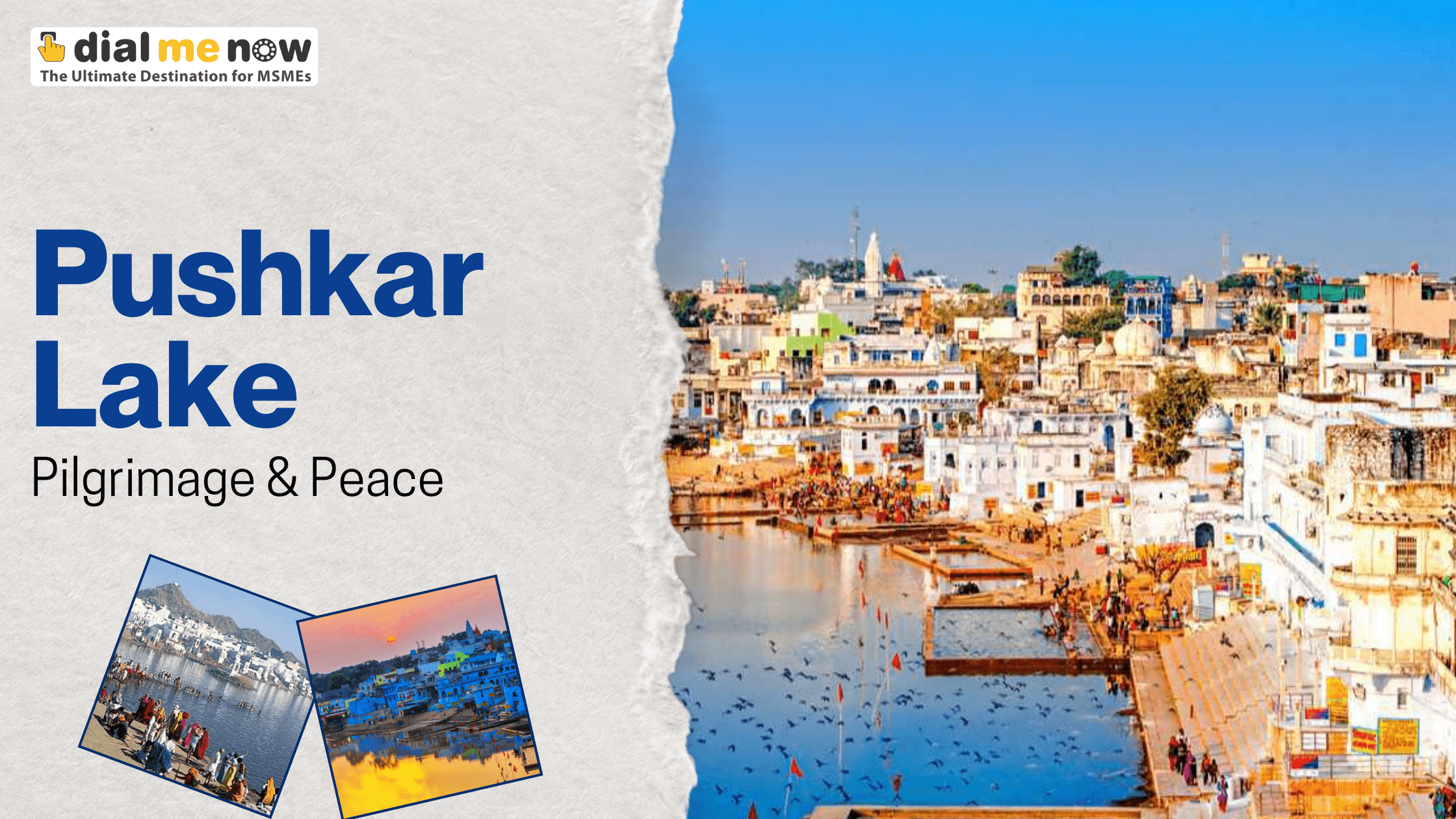
Pushkar isn’t just a dot on the Rajasthan map—it’s a rhythm. Whitewashed ghats stepping into sapphire water. A bell from a temple somewhere across the lake. Camels and marigolds during the mela, sunset turning the Aravallis to embers. At the heart of all this sits Pushkar Lake (Pushkar Sarovar), one of Hinduism’s most venerated water shrines and a living canvas of faith, culture, and community.
This guide dives deep: the legends and history, the rituals and festivals, the etiquette that matters on the ghats, how to plan your visit, what to watch out for, and how to experience Pushkar with both respect and joy.
Why Pushkar Lake Matters
Pushkar Lake is revered as Tirtha-Raj—“king of pilgrimage places associated with water”. Ancient coins and inscriptions indicate pilgrimage here as early as the 4th–2nd centuries BCE, while Hindu scriptures connect the lake to Brahma, the creator god, and to the sacred circuit of Panch Sarovar (the five holy lakes) along with Manasarovar, Bindu Sarovar, Narayan Sarovar, and Pampa Sarovar.
Encircling the lake are 52 bathing ghats and, in the precincts, hundreds of temples—most famously the Brahma Temple (Jagatpita Brahma Mandir), among the few major shrines to Brahma anywhere in India. Pilgrims especially throng here during Kartik Poornima (October–November), when a ritual dip is believed to cleanse past sins.
Legend & Lore: A Lake Born from a Lotus
According to the Padma Purana, Brahma dropped a lotus whose petals fell in the desert, creating the Pushkar lakes—Jyeshtha (main), Madhya, and Kanishtha. Brahma then performed a yajna (fire ritual) here, establishing Pushkar as his sacred seat. This mythology still shapes the city’s geography: Ratnagiri and Savitri hills to the south and west, and temples dedicated to Savitri and Gayatri, Brahma’s consorts, watch over the waters and town.
Architecture in Steps: Ghats & Temples
The Ghats
Pushkar’s ghats are not just steps; they are stages where everyday life and transcendence converge—puja, quiet meditation, aarti at dusk, and families marking rites of passage. Notable ghats include:
- Brahma Ghat – associated with Brahma’s ritual bath.
- Varaha Ghat – linked to Vishnu’s Varaha (boar) avatar.
- Gau Ghat (Gandhi Ghat) – where some of Mahatma Gandhi’s ashes were immersed.
Each ghat has its own tradition and ambience—some bustling, some contemplative. Together they form the lake’s “necklace” of 52 beads.
The Brahma Temple
A short walk from the lake, Pushkar’s Brahma Temple features a red shikhara (spire) and hamsa motifs. The present structure dates to the 14th century (with later restoration). Ascetic priests conduct rites; photography is prohibited inside. On Kartik Poornima, worship peaks after pilgrims bathe in the lake.
Festivals: When Pushkar Dances
Kartik Poornima & the Pushkar Camel Fair (Pushkar Mela)
The calendar’s pulsating heart is Kartik Poornima, when thousands throng the ghats for the holy dip. Around the same time, the Pushkar Camel Fair transforms dunes outside town into a carnival of livestock trading, folk performances, competitions (think longest moustache, bride & groom pageants), and sunrise/sunset photo ops among seas of decorated camels. Attendance tops hundreds of thousands in some years, making it one of India’s most photogenic cultural gatherings.
Culture & Code: How to Be a Respectful Visitor
Pushkar is strictly vegetarian within town, and alcohol is officially prohibited. Don’t expect meat, fish, or eggs at restaurants near the lake; cuisine is deliciously veg, with an emphasis on thalis, kachori, malpua, and global backpacker-friendly options. Dress modestly, remove shoes well before stepping onto a ghat, and keep voices low—these are active places of worship.
Photography: Always ask before photographing people, especially during rituals; many ghats have restrictions on photos, particularly near pujas and aartis. Look for signboards and follow priest/guard instructions.
Etiquette on the steps:
- No shoes on or near the ghats.
- Keep the ghats clean; don’t litter flowers or food waste into the water.
- Don’t publicize prices or “bargain” for religious services—if you accept a ritual, agree a donation politely beforehand.
Important: Avoiding Common Scams (and What to Do Instead)
Pushkar is beautiful—and like many famous shrines, it attracts touts. A common scam involves unsolicited “puja blessings” or a “free flower” for the lake followed by pressure for a large donation. Here’s how to handle it:
- Decline politely and firmly if you don’t wish to participate.
- If you choose a puja, ask your hotel/guide to recommend a reliable priest and agree the dakshina (donation) in advance.
- Don’t accept items (flowers, coconuts, red thread) unless you intend to proceed with a ritual.
Travelers have documented these pushy tactics for years; forewarned is forearmed.
Practical Guide: Planning Your Trip
When to Go
- Best weather: October to March—cooler days and cold nights; peak crowds in late Oct–Nov for Kartik Poornima and the Camel Fair.
- April–June: Very hot; lighter crowds.
- July–September: Monsoon refreshes the desert; some humidity, calmer vibe.
(If you’re targeting the Camel Fair, check dates for the Kartik fortnight; the final 5–7 days culminating in Kartik Poornima are the most intense.)
Getting There
- By Air: The nearest airport is Kishangarh (KQH), about ~29–40 km from Pushkar depending on route. Jaipur (JAI) is ~130 km. From Kishangarh, taxis and buses connect via Ajmer.
- By Rail: Ajmer Junction is the nearest major railhead; Pushkar is about 15 km away by road. (Frequent buses/taxis; check for occasional local rail services.)
- By Road: Good highway links from Jaipur, Jodhpur, and Udaipur via Ajmer.
Getting Around
Pushkar is walkable. Auto-rickshaws serve the outskirts and hill bases. For Savitri Mata Temple above Ratnagiri Hill, either climb steps or use the Savitri Mata Ropeway (a 6-minute ride covering ~720 m—popular with families and seniors).
Where to Stay
- On/near the lake: Heritage havelis and guesthouses with rooftop views—perfect for sunrise/sunset aartis.
- Fairground/Desert camps (seasonal): During the mela, luxury tents and camps sprout near the trading grounds—book far in advance.
- Ajmer base: If Pushkar is fully booked during festivals, stay in Ajmer and commute.
What to Eat
Pure-veg Rajasthani thalis, malpua near the ghats, lassi (ask for unsweetened if you prefer), and the town’s surprisingly good espresso culture for early-morning lake circuits.
Experiences You Shouldn’t Miss
- Sunrise Parikrama
Do a slow circumnavigation of the lake just after dawn when bells and birdsong echo across the water. Pause at a quiet ghat to reflect—without cameras for a few minutes. - Evening Aarti at the Ghats
The lake glows with lamps and chants; it’s serene and deeply moving. Follow instructions from officiating priests and volunteers. - Brahma Temple Darshan
Plan for queues during festival periods. Lockers are typically available for shoes and bags outside. - Savitri Hill for Sunset
Ride the ropeway or hike up for sweeping views—Pushkar’s amphitheatre of hills catches spectacular light. - Camel Fair Grounds (seasonal)
Arrive early for the soft light and the spectacle of traders readying camels. Respect livestock and handlers—ask before shooting portraits. - Rose Country
Pushkar is surrounded by rose farms; rose water and gulkand (rose petal preserve) are local specialties.
Responsible Travel & the Lake’s Ecology
Like many urban lakes, Pushkar has faced water-quality and level challenges from urbanization, siltation, and pollution. Restoration efforts have included de-silting, aeration, and awareness programs. Lend a hand by carrying a refillable bottle, avoiding single-use plastics, and never throwing offerings into the water—use designated bins.
Safety & Sensible Tips
- Mind your belongings at crowded ghats and markets.
- Footwear protocol: Leave shoes well away from the steps; use paid racks where available.
- Ritual clarity: If approached for puja, it’s okay to say “No, thank you.” If you participate, agree a specific donation beforehand.
- Health: Hand sanitizer, sun protection, and layers for chilly desert nights (Oct–Feb).
- Local laws: Remember the no alcohol / vegetarian norms in town limits.
1-Day & 2-Day Sample Itineraries
One Day (Essentials)
- Sunrise: Quiet lake parikrama; chai at a rooftop café.
- Morning: Darshan at Brahma Temple; stroll bazaar lanes (textiles, silver, prayer items).
- Afternoon: Lunch (pure veg), rest.
- Late Afternoon: Savitri Ropeway for the golden-hour view.
- Evening: Aarti at a central ghat; dinner overlooking the water.
Two Days (Deeper Cut)
- Day 1: As above. Add Varaha Temple, Gayatri Temple, and a café-hop around the lakeshore.
- Day 2: If it’s mela season, spend dawn at the camel grounds; otherwise, do a half-day visit to Ajmer (Ana Sagar, Akbari Fort & Museum, and the revered Ajmer Sharif Dargah) and return for sunset at Pushkar.
FAQs
1) Is Pushkar Lake really one of Hinduism’s five sacred lakes?
Yes. Pushkar Sarovar is part of the Panch Sarovar alongside Manasarovar, Bindu, Narayan, and Pampa Sarovar.
2) Why is the Brahma Temple so special?
There are very few major Brahma temples in India; Pushkar’s is the best-known and most visited, with a 14th-century structure near the lake.
3) How many ghats are there around the lake?
52 bathing ghats surround Pushkar Lake, each with unique significance.
4) When is the Pushkar Camel Fair?
It aligns with the Kartik lunar month, peaking in the final five days up to Kartik Poornima (late Oct–Nov). Check the year’s dates in advance.
5) Can I take photos at the ghats?
Yes, but respect rules and people. Some ritual areas restrict photography. Always ask before taking portraits.
6) Is alcohol available in Pushkar?
Pushkar is officially dry, and the town is pure-veg, so don’t expect alcohol or meat in the pilgrimage zone.
7) What’s the nearest airport to Pushkar?
Kishangarh (KQH) near Ajmer, ~29–40 km away depending on route. Jaipur (JAI) is the next best option.
8) How do I reach the Savitri Temple?
Climb the steps or ride the Savitri Mata Ropeway (about 6 minutes each way).
9) Are the puja “scams” real?
Yes—unsolicited “blessings” followed by pressure for donations are a known issue. Decline politely or use a recommended priest with clear expectations.
10) Is the water clean?
The lake’s water quality has had challenges; ongoing restoration (like aeration and de-silting) aims to improve it. Don’t wade or bathe unless it’s a religious dip and permitted at that ghat.
Quick Etiquette Checklist (Save This)
- Dress modestly; cover shoulders/knees.
- Remove shoes before the ghats.
- Keep voices low; don’t disrupt rituals.
- Never throw offerings or plastic into the water.
- Agree puja donations upfront—or politely decline.
- Respect the veg & dry norms in town.
Disclaimer
Information in this guide reflects widely reported customs, public sources, and typical traveler experiences. Festival dates, ropeway timings, access rules, and local regulations (including vegetarian/dry-area enforcement) can change without notice; always double-check current details locally before you go. Rituals and religious spaces deserve utmost respect—when in doubt, ask a priest or official attendant for guidance.