

Nakki Lake, Mount Abu: Myths, Legends, and Scenic Beauty
8/27/2025
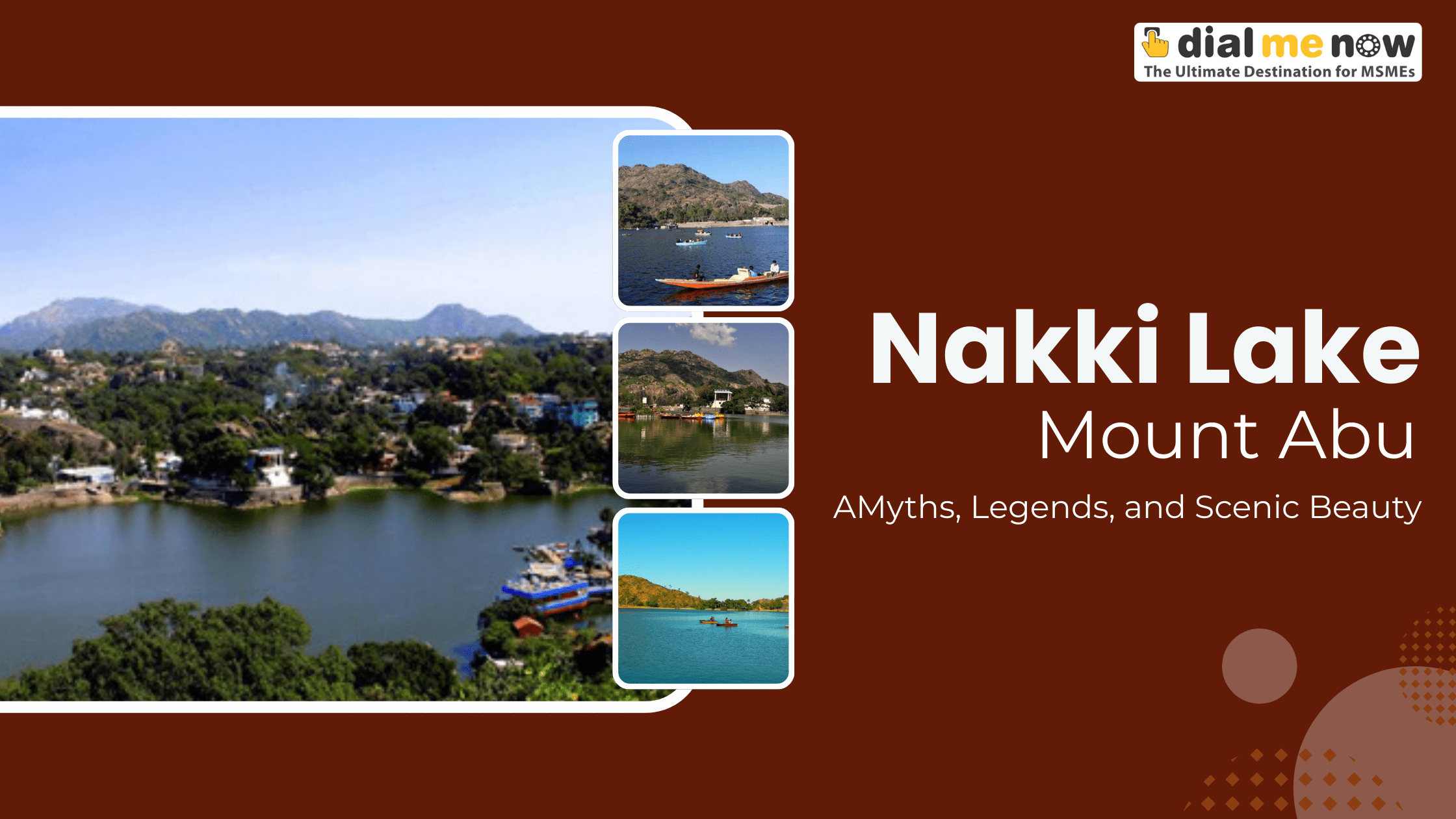
Mount Abu’s heart beats in a blue oval. By day it glints with paddle boats and palm shadows; by dusk it turns molten gold, ringed by dark hills. This is Nakki Lake—a serene, storied waterbody that anchors Rajasthan’s only hill station with folklore, festivals, and everyday life. What follows is a complete guide to its origins and legends, cultural and historical significance, what to see and do, and how to plan your visit like a pro.
Why Nakki Lake matters
Ask a local why the lake is called “Nakki,” and they’ll tell you about nakh (nails). One enduring legend says the gods dug this lake with their fingernails to create a refuge—an act that turned a rocky hollow into a sacred basin. Another beloved tale credits Rasiya Balam, a master sculptor tied to the Dilwara Jain Temples, who purportedly carved out the lake in a single night to win a princess’s hand. These stories are etched into the identity of Mount Abu and give the lake its aura of wonder.
Just as compelling is the lake’s role in India’s modern history: Mahatma Gandhi’s ashes were immersed here on 12 February 1948, and the spot is commemorated by Gandhi Ghat on the shore. That quiet bend of water turns a leisurely boat ride into a moment of reflection on India’s freedom struggle.
The setting: a lake in the Aravalli highlands
Nakki Lake lies at the center of Mount Abu in the ancient Aravalli Range, an area protected as the Mount Abu Wildlife Sanctuary. This sanctuary was notified in 1980, and its mosaic of scrub forests and evergreen pockets is one reason the lake feels so lush compared with much of Rajasthan. If you venture a bit beyond the promenade, you can pair gentle lakeside hours with birding or forest walks.
Dimension-wise, classic descriptions peg the waterbody at roughly half a mile long and a quarter mile wide, with modest depth across most of the basin. Stroll the pathway that skirts the water, and you’ll understand why locals call it the “town square” of Mount Abu—there are benches, snack stalls, and, in the evening, the soft hiss of fountains in the shallows.
Culture on the shore: sacredness and community
For many in the region—especially the Garasia/Garacia tribal community—Nakki Lake carries a sacred association. You’ll hear that families come to the ghats to offer prayers, mark transitions, or simply enjoy a reverent time together by the water. This spiritual thread is woven into how the place is used: respectful, communal, and celebratory without losing its hush.
On the eastern banks stands Shri Raghunathji Temple (14th century), devoted to an incarnation of Lord Vishnu. The shrine is small, serene, and close enough to pair with a sunrise or sunset loop around the lake. Pilgrims and casual visitors alike stop in, adding to the lake’s rhythm of devotion and daily life.
Legends you can walk to
- Toad Rock
South of the lake, a bulbous rock formation really does resemble a crouching toad ready to spring into the water. A short uphill walkway (with steps) brings you to a perch with widescreen views across the lake and town—best at first light or just before sunset. It’s become a kind of mascot for Mount Abu and one of the most photographed angles on Nakki. - Gandhi Ghat
A simple, powerful stop on the shoreline marks where Gandhiji’s ashes were immersed. Stand a minute, and the hubbub of the paddleboats recedes; the ripples feel like pages turning. - Promenade & Market
The lake sits off Ganesh Road, close to the main market, so snacks, chai, and winter woolens (if you visit in December) are never far. It’s the sort of place where you do a loop…and then another.
The best time to visit
Mount Abu has a climate that’s kinder than the desert plains below. For lake experiences, October to March is crisp and clear. Monsoon (July–September) turns the hillsides a lush green and often gives the lake a misty, romantic mood. If culture is your draw, consider timing your trip around the Mount Abu Winter Festival at the end of December—three days of folk music, dance, and procession that spill through town and naturally orbit the lakefront.
What to do at Nakki Lake
1) Boating
Paddle boats and rowboats are the classic way to drift across reflections of palms and granite ridges. Typical operating hours are about 9:30 a.m. to 6:00 p.m., with fees varying by boat type and season (think pedal-boat ranges commonly quoted from ₹50–₹300 per person). Evenings are the prettiest; mornings are the quietest. Always check on the spot, as operators adjust timings and prices.
2) Golden-hour walks
Sunset brings out photographers and flâneurs. Start from the market-side ghats and amble towards Toad Rock as the light lowers; when the lamps flicker on around the promenade, the water picks up a soft urban glow.
3) Temple circuit
Combine Shri Raghunathji Temple with a visit to other nearby shrines and Jain sites around Mount Abu. Keep footwear etiquette in mind and dress modestly—temples remain living places of worship.
4) Café-hopping and local snacks
Vendors around the lakefront sell roasted corn, kachori, and hot chai—simple, perfect companions for the mountain air. The adjacent market lanes add small cafés and sweet shops to the mix.
5) Day trips from the lake
- Dilwara Jain Temples (for exquisite marble carving)
- Guru Shikhar (highest point of the Aravallis; panoramic views)
- Mount Abu Wildlife Sanctuary (forests, viewpoints, and tranquility)
Understanding the place through its stories
Nakki Lake’s mythology isn’t just ornament—it shapes behavior. The tale of the gods digging with their nakh makes people conscious of the lake’s sanctity; the Rasiya Balam story folds love, perseverance, and royal whimsy into Mount Abu lore. Even if you take the narratives as allegory, they make the lake an outdoor museum of memory. When you watch a family release flower offerings at the ghat, or see newlyweds posing on the pedal boats, you’re witnessing the continuity of those stories.
Practical planning guide
How to reach
- By Train: The nearest railhead is Abu Road (ABR), roughly 28–30 km from Mount Abu. From there, taxis and frequent buses take you up the ghat road to town; the lake is about a kilometer from the central bus depot.
- By Road: Mount Abu is well-connected to Rajasthan and Gujarat by highway; many visitors drive up from Udaipur or Ahmedabad for a weekend.
- Within Mount Abu: Nakki Lake sits essentially in the town center; most hotels are a short walk or quick auto ride away.
Hours & fees at a glance (subject to change)
- Lake access: typically free
- Boating: usually 9:30 a.m.–6:00 p.m.; prices vary by boat type and season (pedal boats commonly quoted in the ₹50–₹300/person band). Always verify on arrival.
Where to stand for sunset photos
The footbridge and ghats on the market side, or—if you’re up for a small climb—the ledges near Toad Rock for that big, cinematic sweep. Go a touch early to beat the crowd.
Safety & etiquette
- Life jackets are typically provided for boating; wear them even if you’re a strong swimmer.
- Keep the shore clean—use bins for cups and snack wrappers.
- Temples nearby request modest attire and quiet conduct.
- Night treks beyond marked paths aren’t advised; the sanctuary forest begins quickly beyond town.
Sample half-day itinerary
Early Morning: Walk to Toad Rock for the first light over the water, then descend for chai on the promenade.
Late Morning: Visit Shri Raghunathji Temple and browse the lakeside market lanes.
Afternoon: Break for lunch; if skies are clear, consider a short drive to a sanctuary viewpoint.
Evening: Boat ride and a slow loop around the promenade as the fountain turns silver and the hills silhouette against the sky.
Festivals and events that enliven the lakefront
If you visit December 29–31, you might catch the Mount Abu Winter Festival, a three-day cultural celebration co-organized by the state tourism department and the municipal board. Expect folk music and dance from Rajasthan and neighboring states, processions, and lots of color around the lake and market. It’s a beautiful moment to see local culture on full display.
Nearby highlights (walkable or a short ride)
- Nakki Lake Market: Woolens, trinkets, snacks, and a lively evening buzz.
- Sunset Point & Honeymoon Point: Classic viewpoints that orbit the lake scene.
- Promenade Gardens: Simple lawns and benches that form the lake’s social spine.
- Gandhi Ghat: A must for those who appreciate the lake’s historical weight.
Responsible travel: keeping the myth alive
The lake’s legends endure because people treat this place with reverence. Do your bit: carry a small trash pouch, say no to single-use plastic on boat rides, and keep music volume low near temples and ghats. If you’re visiting during festivals, give priority to locals and pilgrims, especially elders, at crowded viewing spots.
FAQs
1) Why is it called “Nakki” Lake?
Because local legends say it was dug with nakh—fingernails—by gods (or by Rasiya Balam in a single night). The name preserves that mythic origin story.
2) Is it natural or man-made?
Accounts vary in local lore; many guides describe it as man-made, while the heart of its identity lies in the myths of divine or heroic excavation. Either way, it has long been treated as a sacred, central waterbody of Mount Abu.
3) What are the boating timings and charges?
Typical hours hover around 9:30 a.m.–6:00 p.m. with seasonal variations. Fees depend on boat type and season; ₹50–₹300 per person is a commonly cited range. Confirm at the ticket counter when you arrive.
4) What’s the best time of day for photos?
Sunrise from Toad Rock and sunset from the lakeside ghats both deliver gorgeous light and misty layers over the Aravalli hills.
5) How do I reach the lake from Abu Road railway station?
Abu Road (ABR) is ~28 km from Mount Abu. Buses and taxis run frequently up the hill; once in town, the lake is about a kilometer from the central bus depot.
6) Is there a temple near the lake?
Yes—Shri Raghunathji Temple sits near the shore and dates to the 14th century.
7) What’s the significance of Gandhi Ghat?
It marks where Mahatma Gandhi’s ashes were immersed on 12 Feb 1948, adding deep modern historical significance to the site.
8) Can I swim in the lake?
Swimming isn’t the draw here and is often discouraged or restricted; boating is the sanctioned way to be on the water.
9) Are there festivals around the lake?
Yes—late December’s Winter Festival lights up the town with folk performances and processions that naturally center around the lakefront.
10) What should I wear?
Evenings can get nippy, especially in winter. Carry a layer; wear comfortable shoes for the Toad Rock steps; dress modestly for temple visits.
Disclaimer
Local policies, boating timings/prices, and festival schedules change seasonally or due to weather and operational considerations. Always confirm on-site or with the Mount Abu tourism desk before planning time-specific activities. This guide blends verified facts with cultural narratives and traveler tips; where legends are involved, multiple versions may exist.