

Junagarh Fort, Bikaner: A Complete Guide to History, Culture, and Architecture
9/11/2025
Introduction
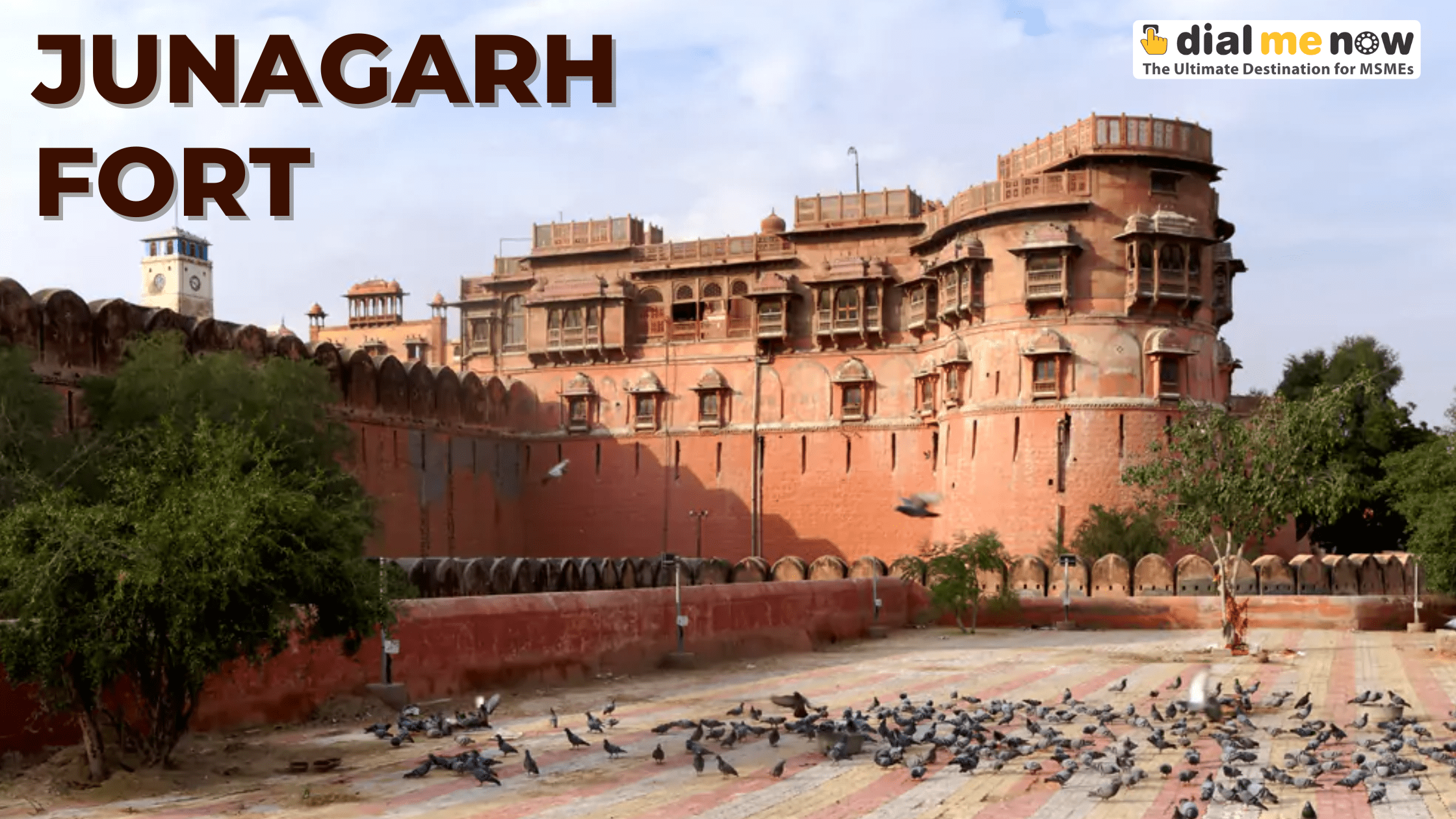
In the heart of the desert city of Bikaner lies one of India’s most fascinating forts — Junagarh Fort. Unlike most of Rajasthan’s forts built on elevated hills, Junagarh Fort sits proudly on the arid plains, symbolizing strength, resilience, and royal grandeur. This fort is a must-visit destination for travelers seeking to understand the architectural brilliance, historical significance, and cultural soul of Rajasthan.
This blog will explore Junagarh Fort in depth, guiding you through its history, architecture, palaces, temples, museum, and its role in shaping the heritage of Bikaner. You will also find tips for planning your visit, FAQs, and cultural insights that will help you truly connect with this iconic landmark.
History of Junagarh Fort
Junagarh Fort was originally called Chintamani Fort and was constructed between 1589 and 1594 CE under the supervision of Raja Rai Singh, the sixth ruler of Bikaner. Raja Rai Singh was an exceptional warrior and one of the trusted generals of Mughal Emperor Akbar. He was granted jagirs (lands) in Gujarat and Burhanpur for his service, and he used the wealth earned from these campaigns to build this fort.
The fort’s history is remarkable because it was never conquered, despite repeated attacks by enemies, including Mughals and rival Rajput kingdoms. This gives Junagarh Fort a unique place in Indian history as a symbol of strength, resilience, and clever military planning.
Over the centuries, different rulers of Bikaner contributed to the expansion of the fort complex, adding palaces, temples, pavilions, and decorative features. Today, the fort stands as a fusion of Rajput, Mughal, and Gujarati styles, a true representation of Bikaner’s golden age.
Architectural Significance
Junagarh Fort is a masterpiece of Rajput architecture with Mughal influences, characterized by red sandstone walls, intricately carved marble structures, and a mix of palaces, courtyards, and temples.
Fort Layout
The fort covers an area of about 5.28 hectares and is protected by high walls and deep moats. It has seven gates, the most prominent being Karan Pol (the main gate) and Suraj Pol (Sun Gate).
Palaces Within the Fort
Inside the fort are several palaces, each with its own unique purpose and story:
- Anup Mahal: Known for its gold leaf paintings, mirror work, and elaborate wooden ceiling. It served as the Diwan-i-Khas (Hall of Private Audience).
- Phool Mahal: This “Flower Palace” is one of the oldest parts of the fort and is decorated with floral motifs symbolizing beauty and prosperity.
- Karan Mahal: Built to celebrate a victory over the Mughal army, it reflects Rajput valor and pride.
- Badal Mahal: Decorated with cloud and rain frescoes, symbolizing monsoon, this palace represents hope and relief in a desert city.
- Chandra Mahal: Private royal chambers adorned with gold-plated deities and delicate mirror work.
Temples
Junagarh Fort also houses several temples, showcasing the spiritual side of the Bikaner rulers. The Har Mandir temple was where the royal family performed religious ceremonies, including festivals and weddings.
Cultural Importance
Junagarh Fort is more than just a military structure; it was the nerve center of Bikaner’s political, spiritual, and cultural life. It reflects the values of the Rajputana rulers — courage, devotion, and artistic patronage.
- Art & Frescoes: The walls of Junagarh Fort are adorned with intricate frescoes, miniature paintings, and stone carvings, many depicting scenes from Hindu mythology and royal court life.
- Spiritual Hub: The temples inside the fort remind visitors of the importance of faith and tradition in Rajput culture.
- Royal Celebrations: The fort served as the venue for coronations, festivals like Navratri, and other important ceremonies.
Junagarh Fort Museum
The fort museum is a must-visit for history enthusiasts. It displays a rich collection of:
- Ancient manuscripts and royal decrees
- Weapons including swords, shields, and armor
- Palanquins, costumes, and accessories of the royal family
- Silver and ivory artifacts
- Miniature paintings from the Bikaner school of art
This museum allows you to visualize what life was like in Bikaner centuries ago.
Historical Significance
Junagarh Fort played a key role in safeguarding Bikaner from foreign invasions and maintaining the kingdom’s independence. Its rulers’ alliances with the Mughals helped Bikaner prosper economically and culturally.
The fort is also a reminder of Rajput valor, as it withstood multiple sieges and never fell. Its military architecture — bastions, watchtowers, and defensive gates — reveal the brilliance of medieval Rajasthani fort design.
Travel Guide to Junagarh Fort
Planning to visit Junagarh Fort? Here’s everything you need to know:
Best Time to Visit
The best time to explore Bikaner and Junagarh Fort is from October to March, when the weather is cooler and more pleasant.
How to Reach
- By Air: The nearest airport is Nal Airport (13 km), but connectivity is limited. The closest major airport is Jodhpur (approx. 250 km).
- By Train: Bikaner Junction is well connected to Delhi, Jaipur, and other major cities.
- By Road: Good road connectivity makes it easy to reach Bikaner via buses or private taxis.
Timings and Entry Fees
- Timings: 10:00 AM – 4:30 PM
- Entry Fees:
- Indian Tourists: ₹50 – ₹100
- Foreign Tourists: ₹300 – ₹400
(Camera/video charges may apply)
Travel Tips
- Wear comfortable walking shoes — the fort is spread over a large area.
- Carry water, especially during warmer months.
- Hire a guide or take an audio tour to get detailed historical context.
- Respect religious spaces inside the fort by maintaining silence and removing footwear where required.
Nearby Attractions
When visiting Junagarh Fort, you can also explore:
- Karni Mata Temple (Deshnok): Known as the Rat Temple, it is one of the most unique pilgrimage sites in India.
- Lalgarh Palace: A beautiful palace-turned-hotel built in Indo-Saracenic style.
- National Research Centre on Camel: Learn about camels, taste camel milk products, and see baby camels.
- Rampuria Havelis: Ornate havelis that showcase Bikaner’s merchant-era grandeur.
Conclusion
Junagarh Fort is not just a fort — it is a living museum of Bikaner’s glorious past. Its history, architecture, and cultural significance make it one of Rajasthan’s most important tourist attractions. Visiting Junagarh Fort is like stepping back in time, experiencing the valor of the Rajput kings, the grandeur of royal life, and the spiritual devotion that shaped the city.
For travelers seeking a deeper, more meaningful Rajasthan experience, Junagarh Fort is an essential stop on your journey.
FAQs
Q1: Why is Junagarh Fort unique compared to other forts?
A: It is one of the few forts built on plains and has never been conquered, which makes it historically significant.
Q2: How much time should I spend here?
A: Around 2–3 hours are enough to explore the fort and museum comfortably.
Q3: Is photography allowed inside the fort?
A: Yes, photography is allowed, though there may be additional fees for cameras or videography.
Q4: Are guides available?
A: Yes, professional guides and audio guides are available for a small fee.
Q5: Can elderly travelers visit easily?
A: Yes, but be prepared for walking through large courtyards. Wheelchair accessibility may be limited in some areas.
Disclaimer
This blog is intended for informational and travel-planning purposes. Timings, entry fees, and other details may change over time. Visitors are advised to confirm with local authorities or official tourism websites before making travel plans.