

Discover the Ancient Monkey Temple: Galta Ji in Jaipur
6/16/2025
Introduction
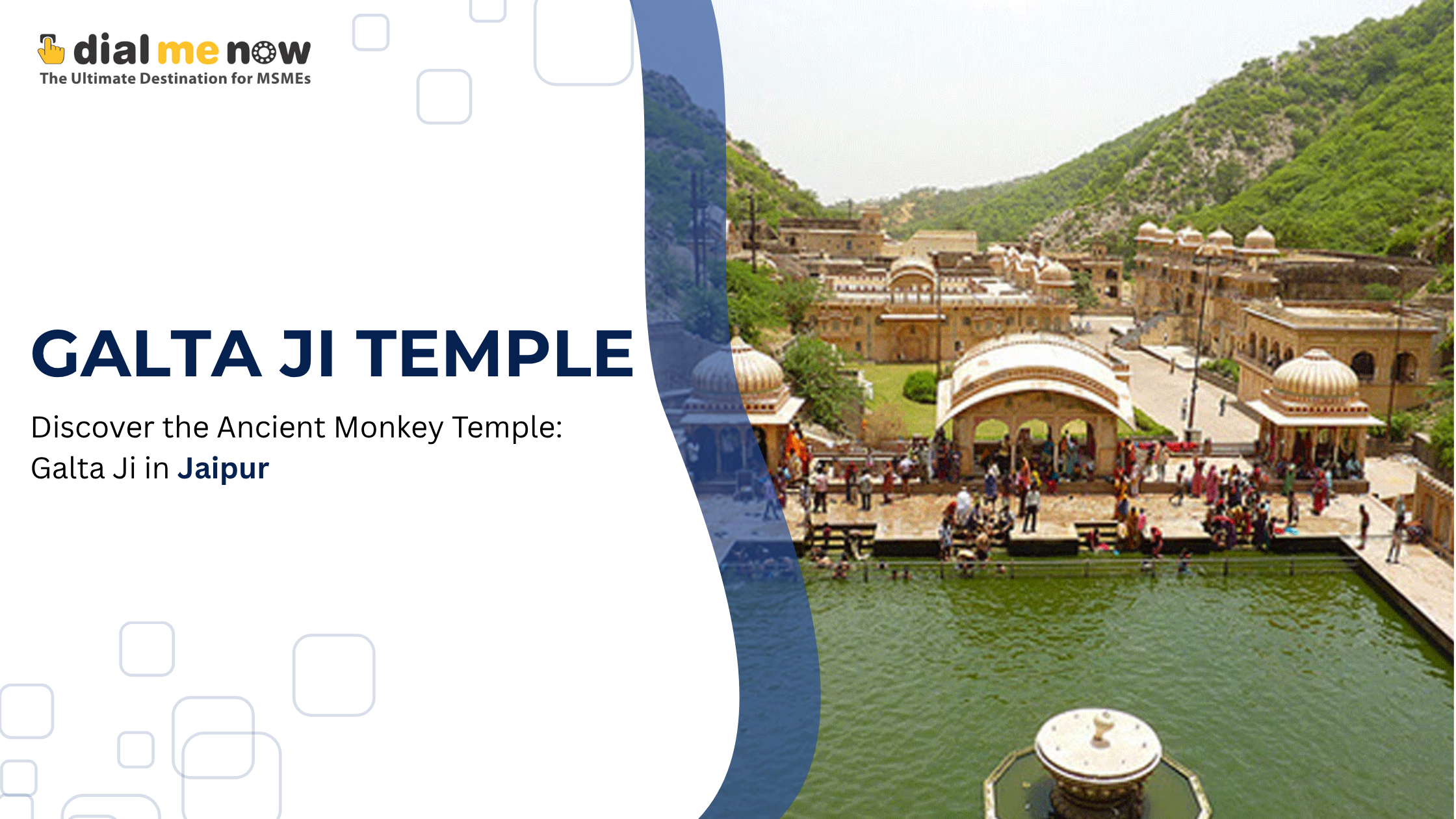
Nestled in the rugged embrace of the Aravalli Hills, a mere 10 km east of Jaipur’s bustling Pink City, lies an extraordinary spiritual haven: Galta Ji, often referred to as the Monkey Temple. This enchanting site is much more than a popular Instagram backdrop. It is a living tapestry woven from mythology, history, nature, and devotion. In this blog, you’ll uncover Galta Ji’s ancient legends, architectural brilliance, vibrant traditions, wildlife, and practical travel tips to make the most of your visit.
🌄 1) Myth and Legend: The Roots of Galta Ji
1.1 The Legend of Sage Galav
Legend tells of Rishi Galav, an ascetic saint who performed rigorous tapasya (penance) in these hills, lasting reportedly 60,000 years. The gods, moved by his unwavering devotion, granted him the blessing of perennial water—a spring that continues to flow into the sacred kunds (water tanks) today.
1.2 Rise of the Ramanandi Peeth
In the early 15th century, the Ramanandi Vaishnava sect marked Galta Ji as a center of spiritual prominence when Saint Krishnadas Payahari arrived and established it as a Ramanandi Peeth (spiritual seat). Over time, this site became a beacon of Vaishnavism, attracting saints, pilgrims, and royalty alike.
1.3 Royal Patronage and Literary Legacy
Diwan Rao Kriparam, a courtier of Maharaja Sawai Jai Singh II, in the 18th century structurally elevated the site into the magnificent complex we see today. Moreover, Tulsidas, the legendary poet who penned the Ramcharitmanas, is believed to have composed parts of the Sundar Kand here
🏛️ 2) Architectural Marvels & Layout
2.1 Built Into the Earth
Galta Ji isn’t your typical surface-level temple. It is ingeniously built within a narrow fissure in the hills. Carved pink sandstone facades, multi-story pavilions (mandaps), and chhatris (dome-topped canopies) meld harmoniously with the rocky cliffs.
2.2 Fusion of Styles
The architectural style is a beautiful marriage of Rajasthani and Mughal influences. Noted features include:
- Ornate carved pillars
- Frescoes depicting Hindu mythology
- Jharokhas (overhanging balconies)
- Multi-tiered terraces and domed sanctums
2.3 The Kunds (Sacred Waters)
Flowing from a goumukh (cow-head shaped spring) high above are seven kunds, each with spiritual significance:
- Galta Kund – Largest and holiest, never dries up.
- Makar Sankranti and Kartik Poornima — major bathing rituals occur here.
🎭 3) Cultural & Spiritual Fabric
3.1 A Hub of Vaishnavite Devotion
As a Ramanandi stronghold, Galta Ji is the age-old headquarters of northern Vaishnavism, with temples dedicated to deities like Rama, Krishna, Narasimha, and Surya.
3.2 Holy Rituals & Festivals
- Makar Sankranti (January) and Kartik Poornima (November) are peak pilgrimage events, drawing thousands to special chants and holy dips.
- Recitation of Bhaktamal, composed by Nabha Das at Galta Ji, contributes to its spiritual resonance.
3.3 Living Monastic Legacy
Galta Ji remains a living ashram guided by current mahants from the Ramanandi lineage, preserving centuries of religious practice and monastic tradition.
🐒 4. The Monkeys of Galta Ji
4.1 The Famous Galta Gang
More than just a quirky attraction, the Rhesus macaques here—especially a troop nicknamed the “Galta Gang”—were spotlighted in National Geographic’s Monkeys Thieves, revealing their impressive social coordination.
4.2 Charm with Caution
While monkeys are fascinating and playful, they are also:
- Opportunistic—known to snatch food and belongings
- Unpredictable—visitors must remain alert and respectful .
Safety pointers:
- Don’t carry food openly
- Secure bags and accessories
- Avoid direct eye contact or sudden movement
- Keep a calm demeanor
🌞 5) The Sun Temple (Surya Mandir)
Perched above the highest kund, the Surya Mandir offers breathtaking panoramic views of Jaipur — from the Amer Fort and Nahargarh Fort to the iconic Jal Mahal.
Best time to visit: Sunrise for spiritual serenity and sunrise vistas, sunset for tranquil grandeur .
🚶♀️ 6) Visiting Guide: Practical Tips
6.1 Operating Hours & Entrance
- Open: 5 AM–9 PM (Temples), area accessible 24/7
- Entry fee: Free; small voluntary donations appreciated
6.2 Transportation
| Mode | Approx. Distance | Time | Tips |
| Auto-rickshaw | ~10 km | 20–30 min | ₹250–650 round trip, can wait on site |
| Hiking (trekking) | ~2.5–3 km | 30–45 min | Scenic, passes Sun Temple, start at Galta Gate |
6.3 What to Wear & Carry
- Modest, light clothing
- Comfortable, slip-on, removable footwear
- Sun protection (cap, sunglasses, sunscreen)
- Water bottle, lightweight snacks (concealed)
- Respectful behavior in sanctums
6.4 Time to Explore
Allocate 2–4 hours to fully explore kunds, temples, Surya Mandir, and monkey conservation zones.
6.5 Best Seasons
- October–December, February–March: Pleasant climate
- January sees peak pilgrim activity during rituals
🎒 7) Sample Itinerary
5:00 AM – Depart Jaipur by auto or begin trek
5:30 AM – Arrive, enjoy morning tea near Galta Gate
6:00 AM – 7:00 AM – Visit Surya Mandir for sunrise
7:00 AM – 9:00 AM – Explore kunds: bathing, rituals, temple shrines
9:00 AM – 9:30 AM – Interact with monkeys, exit via ruins
9:30 AM onwards – Continue to Jaipur attractions: Hawa Mahal, Jantar Mantar, City Palace
🌟 8) Beyond Galta Ji: Nearby Attractions
- Sisodia Rani ka Bagh – a landscaped garden palace
- Amber Fort & Nahargarh Fort – historical hilltop forts
- Khole Ke Hanuman Ji – nearby Hanuman temple
- Classical Jaipur Route: Hawa Mahal, Jantar Mantar, Jal Mahal, City Palace
💡 9) Why Galta Ji Captivates
- Mythical origins: living legend, waters flowing since sage Galav
- Pilgrimage powerhouse: first Ramanandi center in North India
- Architectural wonder: layered façades carved into hills
- Natural integration: sacred springs, forested ridge, wild macaques
- Immersive experience: faith, culture, wildlife & reflection
🧘 10) Culture, Rituals & Spiritual Nuances
10.1 Tantric & Bhakti Traditions
While predominantly Vaishnavite, some fringe tantric elements and Naga Sadhu presence reflect the layered spiritual landscape.
10.2 Healing Beliefs
The waters are credited with healing and purification powers, integral to belief systems like Char Dham and Sapt Puri pilgrimages.
10.3 Architectural Storytelling
Murals and carvings across walls and pillars recount tales from the Ramayana, Mahabharata, surya-puranas, and local legends—a devotional walk through art.
10.4 Modern-Day Continuity
Rituals continue uninterrupted: morning and evening arti, community festivals, daily worship cycles, and upkeep by devoted caretakers—keeping tradition alive.
📋 11) Tips & Etiquette
- Dress conservatively—no shorts or revealing attire.
- Remove footwear in sanctums.
- Avoid eating or exposing food.
- Photograph respectfully, especially pilgrims.
- Carry water; terrain offers little shade.
- Stay calm—monkeys may steal, but do not provOKe.
- Support site upkeep—small donations or chai help local economy.
- Hiring a local guide enriches your experience.
🎯 12) Final Reflections
Galta Ji is not merely a “Monkey Temple.” It is:
- A spiritual microcosm—merging devotion, architecture, history, and wildlife
- A living cultural hub—a center of Vaishnavism and literary heritage
- A natural wonder—an ancient spring, rocky cliffs, and enthralling macaques
- A timeless pilgrimage—where modern seekers tread with ancient reverence
📌 Conclusion
Galta Ji is not just a stop on a sightseeing checklist — it’s an immersive journey into spiritual devotion, mythology, nature, and Rajasthani heritage. This FAQ section complements your guide, ensuring that visitors arrive informed, prepared, and respectful of this magnificent living temple.
⚖️Disclaimer
All content on this blog is provided solely for general informational purposes—while we strive for accuracy, no warranties (express or implied) are made regarding its completeness, reliability, or suitability, and nothing herein constitutes professional advice (you should consult qualified experts before acting); any brand, product, service, company, or trademark names mentioned are the property of their respective owners and are used only for identification without implying endorsement, sponsorship, or affiliation; in no event shall the blog owner, authors, or affiliates be liable for any damages arising from your use of or reliance on this blog.
🧾 Frequently Asked Questions – Galta Ji Monkey Temple
1. What is Galta Ji and why is it called the Monkey Temple?
Galta Ji is a historic Hindu pilgrimage site located 10 km east of Jaipur in Rajasthan. It’s called the Monkey Temple because of the large population of rhesus macaques that live around the temple complex. These monkeys are considered sacred and are often fed by pilgrims and visitors, symbolizing a connection to Lord Hanuman, the monkey god.
2. Is Galta Ji an active temple?
Yes, Galta Ji is a fully functioning temple complex. It is home to active worship, daily rituals, and a resident community of monks (mahants), especially from the Ramanandi Vaishnava sect. Pilgrims regularly visit to take holy dips in the kunds and seek blessings.
3. Who was Sage Galav and what is his connection to the temple?
Sage Galav was a revered ascetic mentioned in Hindu mythology. According to legend, he performed intense meditation in this location, leading to the emergence of a natural spring blessed by the gods. This spring feeds the temple’s sacred water tanks (kunds), making Galta Ji a spiritually significant site.
4. What are the main attractions inside Galta Ji?
Key highlights include:
- Seven Sacred Kunds (especially Galta Kund)
- Sun Temple (Surya Mandir) offering panoramic views
- Main temples dedicated to Rama, Krishna, Narasimha, and Surya
- Architectural carvings and frescoes
- The resident monkey population and their interaction with visitors
5. Is there an entry fee to visit Galta Ji?
No, entry is free. However, small donations are encouraged and sometimes requested by local priests for temple maintenance and rituals.
6. What are the temple’s opening hours?
- Temples: 5:00 AM – 9:00 PM daily
- Outer complex and trekking routes: Accessible 24/7
For spiritual vibes and minimal crowds, early sunrise visits are highly recommended.
7. Can I trek to Galta Ji from Jaipur?
Yes. A scenic 2.5 to 3 km trek starts from Galta Gate near Surajpol Bazar. It passes through forest paths and Sun Temple, making for a mild to moderate hike with rewarding views.
8. When is the best time to visit Galta Ji?
- October to March offers ideal weather.
- January (Makar Sankranti) and November (Kartik Poornima) attract large pilgrim gatherings for holy dips and festivals.
- Sunrise or sunset is perfect for photography and serenity.
9. Are the monkeys at Galta Ji dangerous?
The monkeys are generally used to visitors but can be aggressive if provoked or if they see exposed food or shiny items.
Do’s:
- Keep food hidden
- Stay calm and non-confrontational
- Watch your belongings
Don’ts:
- Don’t stare or approach monkeys closely
- Don’t feed them aggressively or tease them
10. Is Galta Ji safe for solo travelers and families?
Yes, Galta Ji is safe, including for solo female travelers and families. However, basic precautions should be taken:
- Avoid isolated trails after dark
- Stay alert around monkeys
- Dress modestly
- Hire a local guide if you’re unfamiliar with the area
11. What should I wear when visiting Galta Ji?
Wear modest, comfortable clothing appropriate for a temple:
- Avoid sleeveless tops, shorts, or revealing clothes
- Choose light, breathable fabrics
- Bring a scarf or shawl for temple entry
- Wear removable footwear (you’ll need to remove them before entering sanctums)
12. Are there any facilities nearby (food, toilets, shops)?
Basic stalls near the entrance offer:
- Tea, snacks, and coconut offerings
- Simple toilet facilities (not luxury-standard)
- Small shops selling incense, prasad, souvenirs
For meals or better restrooms, it’s best to return to Jaipur city (15–20 minutes away).
13. Can I take photographs inside Galta Ji?
Photography is generally allowed in open areas and with the monkeys, but:
- Avoid flash photography
- Seek permission before clicking devotees or monks
- Refrain from taking pictures inside main sanctums unless allowed
14. How long should I plan for my visit?
Plan to spend at least 2–4 hours exploring:
- Temple complex
- Sacred kunds
- Monkey areas
- Climb to the Sun Temple for panoramic views
15. What are the nearby attractions I can combine with Galta Ji?
You can pair your Galta Ji visit with:
- Sisodia Rani Ka Bagh
- Khole Ke Hanuman Ji
- Amber Fort & Nahargarh Fort
- Jal Mahal, Hawa Mahal, City Palace, and Jantar Mantar within Jaipur city
16. Are guides available at the temple?
Yes, local guides are often available at the entrance. They offer valuable mythological stories, ritual insights, and architectural commentary. Expect to pay ₹200–₹500, depending on duration and language preference.
17. Is Galta Ji suitable for elderly visitors?
Yes, but with assistance. The terrain includes:
- Some uneven steps
- Slippery kund areas
- Optional steep climb to the Sun Temple
Those with mobility issues may need to skip the trek and reach directly by vehicle.
18. Can I meditate or participate in rituals?
Absolutely. The serene environment and live rituals make it an ideal place for:
- Meditation near the kunds
- Participating in aarti or offering prasad
- Observing local priests performing age-old traditions
19. What is the spiritual significance of bathing in the kunds?
Bathing in the kunds is believed to:
- Cleanse sins
- Heal illnesses
- Enhance spiritual merit, especially during holy days like Makar Sankranti
The water is sourced from a natural spring, regarded as pure and perennial.
-
Is Galta Ji suitable for content creators or travel vloggers?
Yes. The temple’s:
- Rich history
- Vibrant monkey life
- Architecture and hilltop views
offer compelling content opportunities. Just ensure: - You respect cultural boundaries
- Don’t disturb rituals
- Use discretion when filming others