

Clock Tower & Sardar Market Jodhpur: The Ultimate Shopping & Cultural Guide
7/18/2025
Introduction
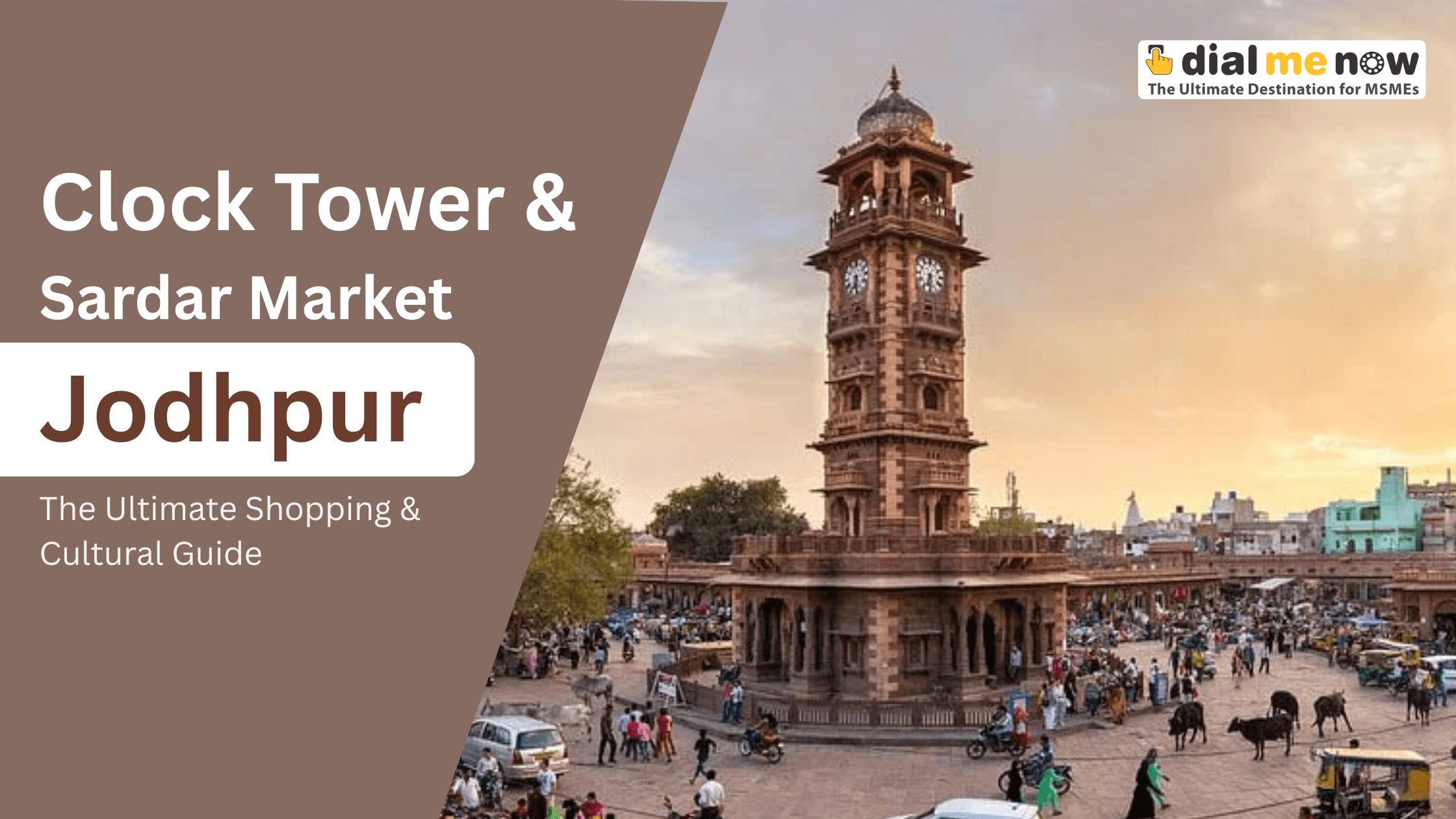
In the heart of Jodhpur’s bustling Blue City beats a rhythmic pulse — the majestic Clock Tower (Ghanta Ghar) and its surrounding Sardar Market. These twin icons symbolize the city’s modern vibrancy rooted in royal tradition. Built in the early 20th century by Maharaja Sardar Singh, the Clock Tower stands as both a navigational landmark and a testament to Jodhpur’s seamless blend of Western mechanical innovation and Rajput grandeur.
Stepping into Sardar Market is like entering a kaleidoscope of colors, scents, sounds, and stories. Whether it’s intricately hand-block printed textiles, aromatic spices, traditional footwear, or silver jewelry, each item tells a tale linked to Rajasthan’s craftsmanship and culture. More than a shopping district, this vibrant quarter is a living museum—offering daily glimpses into Jodhpur’s past, its thriving present, and its dynamic future.
We’ll explore the historical background of the Clock Tower, the evolution of Sardar Market, its cultural relevance, insider shopping tips, and travel advice to ensure you carry home not just souvenirs, but stories—and maybe a bargain or two.
1. History of the Clock Tower
- Origins & Royal Patronage
Commissioned in 1880 (or early 1900s), Maharaja Sardar Singh built the Clock Tower to modernize Jodhpur and create a centralized meeting point for commerce. It was both a symbol of progress and a functional centerpiece for timekeeping. - Construction & Engineering
The clock mechanism—likely sourced from Britain—became a rare Western technological feature installed amid traditional Rajput architecture. Each side of the tower offers a four-faced clock visible from all prominent market streets. - Cultural Role Over Time
Throughout its life, the Clock Tower witnessed the shifting tides of Jodhpur’s economy: from pre-independence bazaars to post-liberalization tourism and e-commerce. During annual festivals, it becomes the backdrop to crowded processions and public gatherings.
2. Evolution of Sardar Market
- From Royal Bazaar to Tourist Mecca
Adjacent to the Clock Tower, Sardar Market began informally as a place merchants gathered—especially on Sundays (“haats”). As Jodhpur modernized, the bazaar took shape under royal oversight, formalizing stalls and lanes. - Market Structure & Zones
The market is spread across concentric lanes circling the Clock Tower: fabric street, spice street, jewelry lane, leather district, and street food row—each specializing in one craft. - Iconic Shopkeepers & Generational Legacy
Dozens of shops here boast over three generations of ownership, such as ties in Kothari Market for leathers, Makrana street for marble souvenirs, and textile stalls at Kuwar Bazaar.
3. Architectural & Cultural Highlights
- Clock Tower Architecture
Painted in cream and maroon to match Mehrangarh Fort, it blends Victorian proportions with Rajput motifs, beveled arches, overhangs, and floral stone inlays. - Market Layout & Sensory Appeal
Rustling silks, hushed bargaining, scent of jaggery, and simmering street food create a human symphony. Around every corner, colorful storefronts draw attention with handwritten price tags and sample displays. - Street Life & Community Dynamics
Potter women, spice merchants, tourist guides, street musicians, snake charmers, sadhus—dynamic cast making this more than a shopping zone, but a microcosm of Rajasthan’s social stage.
4. What to Buy: Product Categories
- Textiles
- Bandhani & Leheriya dupattas: color-dipped tie-and-dye scarves.
- Block-printed bedsheets & cushion covers: Ajrakh, Bagru, Sanganer prints.
- Kurta & Jodhpuri shirts: with embroidered collars or mirrorwork.
- Leather & Footwear
- Mojaris: pointed leather shoes with folk embroidery.
- Belts/bags: made from camel, cattle, or goatskin.
- Jewelry & Metalcraft
- Silver necklaces, jhumkas, baju band: reflective of Marwari aesthetics.
- Lac- and Kundan-work bangles.
- Marble Miniatures
- Tiny Mehrangarh or Clock Tower replicas carved from Makrana marble.
- Spices & Edibles
- Khus, laung (cloves), saffron, mix masala.
- Sweet mithais: seviyan, mohanthal, dal-pak.
- Handicrafts
- Wood carving, rural paintings, pottery.
- Textile Accessories
- Patchwork quilts, throws, table runners.
5. Him and Her: Fashion & Accessories
- Women’s Ethnic Wear
Gota-patti sarees, Danphul embroidery, rajasthan-patch kurtis.
Small stalls behind Clock Tower offer tailored outfits. - Men’s Apparel
Jodhpuri jackets, bandhgalas, Ajrakh bandanas, turbans, Mojari sets. - Children & Gifting
Mini-doll sets, toy camels, localized notebooks, and Rajasthani puppets. - Unique Fusion Fashion
Jackets with mirror work paired with denim, printed sneakers, stylized slippers.
6. Culinary Escapades: Local Flavors
- Street Snacks
- Mirchi Bada: hot green chili fritters.
- Pyaaz ki kachori: filled with sweet-spicy onion.
- Makki ki roti + garlic chutney.
- Sweet Treats
- Mohanthal, Mawa Kachori, Rabri ghevar.
- Jag-masala Chai & Lassis
Tea blends with cardamom; laal mawa or masala lassi. - Tangy Chaats
Pani Puri & Dahi Bhalla at live stalls. - Local Specialties
Desi ingredients like Ker Sangri pickle, Kesar Badam milk.
7. Artisan Spotlight: Makers & Workshops
- Block-Printers: Meet Ajrali and Jaipur-based ‘Bagru bros’ who dye cotton in reed vats.
- Leather Shamianas: Tannery workers in Kothari Stall district.
- Marble-wallahs: Operate electric chisels carving mini mausoleums.
- Jewelry Crafters: Gold/Silver smiths soldering kundan bangles on-site.
- Spice blenders: create masala mixes for travel-packed packets.
8. The Hunt: Haggling & Bargaining Tips
- Start at half of the quoted price.
- Walk away technique: Seller often calls you back.
- Bundle purchases; pick-up discounts.
- Know trade signals: Shake head means no.
9. Hygiene, Safety & Ethical Shopping
- Ask about materials (e.g. real vs faux silver/leather).
- Choose food from stalls with high foot traffic & clean utensils.
- Avoid single-use plastic.
- Secure your belongings—pockets and bags zipped.
10. Festivals and Special Events
- Marwar Festival (Oct): Folk, hot air balloons.
- Raksha Bandhan Bazaar: Special jewelry offers.
- Christmas & New Year: Tourists treat shops to trims & lights.
- Diwali: Clothists display new-season fabrics.
- Friday Night Market: Extended hours with kids’ entertainment.
11. Arts, Culture & Live Performances
- Snake charmers near clock tower.
- Puppet shows (Kathputli) in back alleys.
- Rajasthani folk music in candlelit rooftop cafés.
- Street art, chalk murals during festivals.
12. Practical Visitor Tips
- Best Time: Nov–Feb; mornings 9–11 AM before peak heat.
- Getting There: Taxis, auto-rickshaw from Railway Station/Airport.
- Attractions Nearby: Mehrangarh Fort, Jaswant Thada, Ghanta Ghar cafés.
- Photography Tips: Capture golden hour, wide-angle shops, close-ups of hands crafting.
- Accessibility: Not fully wheelchair-friendly; uneven walkways.
13. Local Etiquette & Cultural Sensitivity
- Greet with folded hands (“Namaste”).
- Ask before photographing people.
- Dress modestly—cover shoulders and legs.
- Accept a bargaining range, don’t offend with too low offers.
- Be friendly; local pride stems from hospitality.
14. Conclusion
The Clock Tower and Sardar Market is more than a shopping destination—it’s an expression of Rajasthani heart and Jodhpur’s enduring spirit. From colorful crafts and culinary delights to centuries-old traditions and friendship encounters across narrow alleys, every moment offers something precious.
Whether you’re a savvy haggler, a culture seeker, a fashion enthusiast, or a foodie, this guide helps you navigate the lanes with purpose and respect—so you leave not just with bags, but with memories, connections, and a deeper love for Rajasthan.
15. Disclaimer
The information provided in this blog is for general guidance and informational purposes only. While efforts have been made to ensure accuracy and relevance, market conditions, vendor availability, pricing, and shop timings in Sardar Market may change without notice. Readers are encouraged to verify on-ground details before planning their visit. We do not endorse any specific vendor, product, or service mentioned unless explicitly stated. Always practice respectful behavior, fair bargaining, and ethical shopping when visiting local markets.
16. Frequently Asked Questions (FAQs)
Q1: Is Sardar Market open daily?
Yes – it operates 7 AM to 10 PM, fully open Friday and Saturday.
Q2: Can I use credit cards?
Larger shops do; small stalls cash only. Keep small notes (~100 INR).
Q3: Is wheelchair access available?
Paths are narrow with steps. Not accessible fully.
Q4: Are prices fixed?
No—bargain widely; some items like spices have relative standard pricing.
Q5: Can I get customization/tailoring?
Yes: fabric shops often offer stitching services; delivery in 2–3 days.