

Architectural Masterpiece of Mount Abu: The Dilwara Jain Temples
8/28/2025
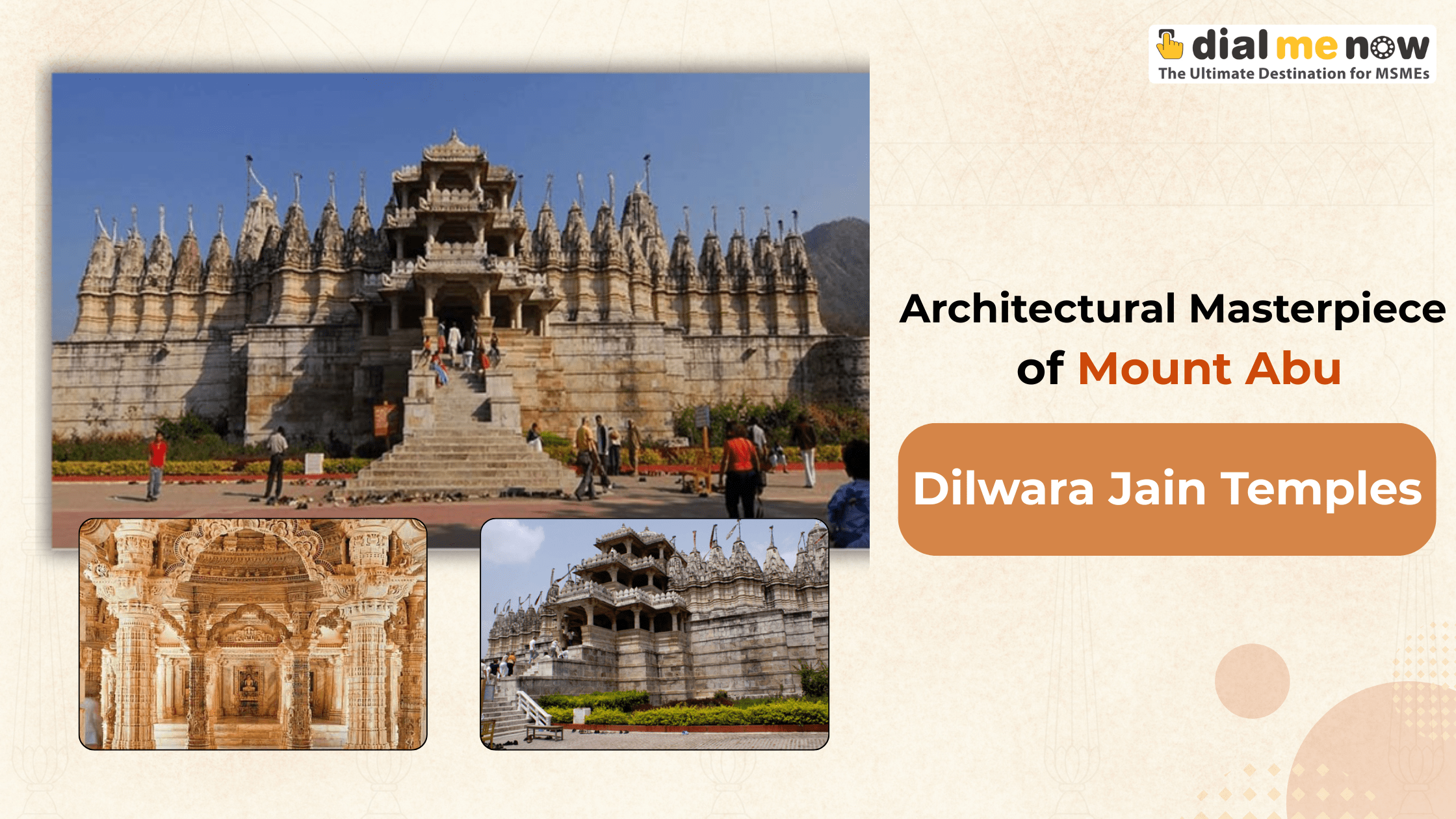
If there’s one place in Rajasthan that makes even seasoned travelers drop their jaws in awe, it’s the Dilwara Jain Temples of Mount Abu. Carved entirely from luminous white marble and perfected over centuries, this complex is equal parts spiritual center, living heritage, and architectural school in stone. Below is a complete, practical guide—grounded in history, culture, and on-the-ground details—to help you understand why Dilwara is revered and how to experience it respectfully and fully.
Why Dilwara Matters
The Dilwara (also spelled Delwara) complex is celebrated worldwide for its intricately carved marble interiors—ceilings that bloom like stone chandeliers, pillared halls that read like lacework, and shrines edged with miniature narrative panels. These temples are a touchstone of Māru-Gurjara (Solanki) architecture, a western Indian style known for its precision and profusion of detail. Scholars and travelers consistently rank Dilwara among the most impressive Jain sites in Rajasthan, not only for beauty but for craftsmanship and preservation.
Where You Are
Mount Abu is Rajasthan’s only hill station, perched in the Aravallis. The Dilwara Temples lie about 2.5 km from Mount Abu’s town center—a short ride by auto-rickshaw or taxi. Expect cool hill weather compared to the plains and a soothing green canopy around the complex.
A Short Historical Timeline
- 11th century (c. 1026–1031 CE): Vimal Vasahi (Adinatha)
Commissioned by Vimal Shah, a Jain minister to the Chaulukya (Solanki) king Bhima I of Gujarat. This is the oldest and largest temple in the complex and became the stylistic anchor for the rest. - 13th century (1230 CE): Luna Vasahi (Neminatha)
Built by the Porwad brothers Vastupal and Tejpal, ministers to the Vaghela ruler Virdhaval, in memory of their brother Lunig. Many consider Luna Vasahi the apex of Dilwara’s carving finesse. - 14th–15th centuries: Pittalhar (Adinatha)
Commissioned by Bhima Shah, a minister to Sultan Begada of Ahmedabad. The sanctum enshrines a massive panchadhatu image (five-metal alloy) dominated by brass—hence the name Pittalhar. - Mid-15th century (1458–59): Parshvanatha (Khartar Vasahi)
Built by Sangvi Mandlik and his family; notable for its multi-storey chaumukha (four-faced) arrangement and richly sculpted gray sandstone exterior. - Late 16th century (1582): Mahavir Swami
A smaller, exquisitely detailed shrine dedicated to the 24th Tirthankara, Mahavira, with painted panels from the 18th century on the porch walls.
The complex you see today reflects periodic renovations across centuries, including reconsecrations and repairs under respected Jain trusts and artisans; it is presently administered by Seth Kalyanji Paramanandji (Anandji Kalyanji) Pedhi, which also operates a nearby Bhojanshala (dining facility).
Meet the Five Temples (and What to Look For)
1) Vimal Vasahi (Adinatha) — the Pioneer
- Date/Patron: c. 1026–1031 CE; Vimal Shah under Bhima I (Chaulukya/Solanki).
- Highlights:
- Navchowki: nine coffered ceilings, each uniquely carved—your first “how is this even possible in stone?” moment.
- Rangamandapa axis: sanctuary → closed mandapa → open mandapa → open rangamandapa (hall), a plan that echoed across later Jain temples.
- Hastishala: a procession of marble elephants added in the 12th century by Vimal Shah’s descendant, Prithvipal.
Tip: Pause beneath the main dome and scan the bands of lotuses and narrative motifs—life episodes of Tirthankaras, dancers, elephants, and musicians—executed with knife-edge clarity.
2) Luna Vasahi (Neminatha) — the Peak of Finesse
- Date/Patrons: 1230 CE; Vastupal & Tejpal, Porwad ministers to Vaghela Virdhaval, in memory of their brother Lunig.
- Highlights:
- The central dome from which a giant ornamental pendant seems to “hang,” surrounded by 72 seated Tirthankaras and 360 monks in concentric bands—an art-historical masterclass in composition.
- Black marble murti of Neminatha in the gudh mandapa.
- Derani–Jethani niches (Lakshmi with flanking Tirthankaras), and a Hathishala with 10 lifelike marble elephants.
- A Kirti Stambha (pillar of fame) attributed to Maharana Kumbha of Mewar, near the temple.
Tip: Many visitors consider Luna Vasahi the most technically accomplished carving at Dilwara—give it time, circle slowly, and look up often.
3) Pittalhar (Adinatha) — the Metal Marvel
- Date/Patron: 14th–15th centuries; Bhima Shah, minister of Sultan Begada.
- Highlights:
- The colossal five-metal (panchadhatu) image of Adinatha (Rishabhanatha); brass (pital) dominates, giving the temple its name.
- A garbhagriha, gudh-mandapa and Navchowki—the latter featuring images of Yakshi Chakreshvari and Yaksha Gomukha.
- Evidence suggests the rangamandapa and corridor remained unfinished, offering a glimpse into construction cycles.
4) Parshvanatha (Khartar Vasahi) — the Towering Chaumukha
- Date/Patron: 1458–1459 CE; Sangvi Mandlik and family.
- Highlights:
- A three-storey plan (tallest in Dilwara) with four-faced (chaumukha) icons of Parshvanatha on each cardinal axis.
- Exterior gray sandstone walls teeming with dikpalas, vidyadevis, yakshinis, and decorative figures comparable in richness to famed North Indian temple sculpture traditions.
5) Mahavir Swami — Jewel-Box Scale, Museum-Grade Detail
- Date: 1582 CE.
- Highlights:
- Smaller in footprint but deeply refined; paintings (dated 1764) adorn the porch walls—look for court scenes, flora, birds, dancers, and processional motifs carved and painted in a lively late-medieval idiom.
Understanding the Purpose: Jain Devotion in Stone
To truly “read” Dilwara, it helps to know what Jain temples are for: they are spaces of purification, designed to aid the soul in shedding karma through right conduct, contemplation, and community support. The iconography, spatial flow from outer halls to the sanctum, and the meticulousness of the craft all serve Jain values—ahimsa (non-violence), aparigraha (non-possession), truthfulness, and mindful living. Major festivals observed here include Mahavir Janma Kalyanak (Mahavir Jayanti) and Paryushan, when the atmosphere is especially devotional.
Architecture mirrors ethics:
The relatively plain exteriors contrasted with breathtaking interiors embody Jain ideals of restraint and inwardness—the most precious beauty is within. This is not accidental: it’s a design philosophy.
How to Experience Dilwara: A Practical Visitor Guide
Timings & Entry
- Jain devotees: typically 6:00 a.m. to 12:00 p.m.
- Tourists (non-Jains): typically 12:00 p.m. to 5:00 p.m.
- Entry fee: No charge (donations welcome).
Always check posted timings at the gate; they can change during festivals or maintenance.
Dress Code & Conduct
- Dress modestly (knees and shoulders covered; avoid shorts/sleeveless). Staff may provide wrap-around trousers if needed.
- Remove shoes (and typically leather items) before entry.
- Maintain silence; do not touch carvings; keep to designated areas.
Photography & Phones
- Photography is not permitted inside; cameras and phones may be restricted or required to be deposited. Respect the rules—this safeguards both sanctity and conservation.
How Much Time to Budget
- For a first visit, plan 2–3 hours to walk through all five temples without rushing. (Many visitors focus on Vimal Vasahi and Luna Vasahi if time is short.)
Getting There
- From Mount Abu town: ~2.5 km by auto or taxi.
- Nearest railway station: Abu Road (~28 km).
- Nearest major airports: Udaipur (~120–185 km depending on route/source) and Ahmedabad (~170–220 km). From either, it’s a 3–4 hour road journey to Mount Abu.
Best Time to Visit
Mount Abu is visitable year-round; late October to February offers pleasant, cool weather and clearer skies (great for marble’s glow). If you want to avoid crowds, go on weekdays and arrive right at 12 noon for the tourist window.
Accessibility Notes
Expect stone floors and some steps; comfortable footwear (to be removed before sanctum areas) helps. If traveling with elders, plan for rest breaks; the complex can be large and walking-intensive. Some reviews mention dress/entry strictness and mobility considerations—plan accordingly.
Reading the Craft: What the Details Tell You
- Ceilings like stone constellations
Look for pendant bosses and lotus rosettes that ripple outward in bands—these balance structure and symbolism, drawing the eye inward (meditation) and upward (transcendence). - Devakulikas (cloister shrines)
A signature of western Indian Jain temple design is the ring of subsidiary shrines surrounding the principal sanctum and halls—almost like a protective garland. Vimal Vasahi gained many of these in later phases. - Narrative strips
Panels depict Tirthankara lives and related mythic episodes, often at a miniature scale. Move slowly and use the eye level lines to decode stories. - Material mastery
The pure white marble amplifies light and shadow; under bright daylight the carvings feel weightless. This is one reason afternoon visiting slots (for tourists) are magical—sunlight works with the artisans.
Cultural Etiquette: Visiting a Living Tirth
Dilwara is a living place of worship—not a museum. A few reminders:
- Be mindful during aarti and rituals; step aside to avoid obstructing devotees.
- Skip leather items and dress modestly.
- Keep conversations low; most visitors come to introspect.
- Don’t touch carvings—oils and friction degrade the stone over time.
- Donations to the trust help maintenance and community services (including pilgrim dining).
Suggested Walking Route (90–120 minutes, then explore more)
- Start at Vimal Vasahi: absorb plan, study Navchowki ceilings, and the Hastishala.
- Luna Vasahi: spend time under the central pendant; walk the ring of 72 Tirthankaras and 360 monks.
- Pittalhar: contemplate the massive panchadhatu Adinatha—note the different material presence compared to marble icons.
- Parshvanatha (Khartar Vasahi): walk around the exterior to observe the gray sandstone figures before stepping in.
- Mahavir Swami: end in this intimate jewel—seek out the 1764 paintings on the porch walls.
Nearby Pairings in Mount Abu
- Nakki Lake for sunset walks;
- Guru Shikhar (highest Aravalli peak) for panoramic views;
- Achalgarh Fort/Temple for layered history;
- Brahma Kumaris HQ for contemporary spiritual programs. (Local tourism listings and guides can help you cluster these.)
Conservation & Responsible Travel
The very traits that make Dilwara extraordinary—the razor-fine carvings—also make it delicate. Increased tourist footfall brings wear and tear; hence restricted timings, no-photography rules, and clear dress/behavior codes. Respecting these keeps the site alive for generations to come.
Quick Visiting Checklist
- ☐ Respect timings (tourists: 12–5 p.m.).
- ☐ Dress modestly; carry a scarf/shawl if needed.
- ☐ No photography inside; plan to fully see rather than shoot.
- ☐ Keep voices low; don’t touch carvings.
- ☐ Budget 2–3 hours; start at Vimal, then Luna.
- ☐ If visiting during Paryushan or Mahavir Jayanti, expect special crowds and rituals.
Final Thoughts
The Dilwara Temples are not “just” beautiful—they are philosophy rendered in stone. Every lotus boss and every frieze expresses a Jain commitment to inner clarity, non-violence, and restraint. Come ready to slow down. When you leave, you’ll carry two souvenirs: the memory of light skimming over white marble—and a strong sense of stillness that stays.
Disclaimer
Information such as timings, access rules, and festival arrangements can change without notice. Always confirm on-site notices or with local authorities before your visit. Dress and no-photography policies are strictly enforced; please follow temple regulations at all times out of respect for the sanctity of the site. This guide synthesizes historical and visitor information from reliable sources; specific administrative or seasonal variations may apply.
FAQs
Q1. What are the five temples at Dilwara?
Vimal Vasahi (Adinatha), Luna Vasahi (Neminatha), Pittalhar (Adinatha), Parshvanatha (Khartar Vasahi), and Mahavir Swami.
Q2. Are non-Jains allowed?
Yes. The tourist window is generally 12:00 p.m.–5:00 p.m. Non-Jains should follow dress and conduct rules.
Q3. Is there an entry fee?
No entry fee; donations are welcome.
Q4. Can I take photos inside?
No. Photography is prohibited within the temple interiors; phones/cameras may be restricted.
Q5. What should I wear?
Modest clothing (full-length garments; cover shoulders/knees). Leather items are typically not permitted inside.
Q6. How long should I plan for a visit?
Set aside 2–3 hours to appreciate the five temples without rushing.
Q7. What’s the best time to visit?
Year-round is possible; November–February is especially pleasant. Try weekdays and enter at 12 noon to beat the crowd.
Q8. How do I get there?
From Mount Abu town it’s ~2.5 km by auto/taxi. Nearest railhead: Abu Road (28 km). Nearest airports: Udaipur and Ahmedabad with a ~3–4-hour drive to Mount Abu.
Q9. Who manages the complex?
The temples are administered by Seth Kalyanji Paramanandji (Anandji Kalyanji) Pedhi, which also runs a Bhojanshala nearby.
Q10. Are there guided tours?
Guided hours for tourists are posted at the gate; local guides are often available. Timing policies can shift during festivals—check the noticeboard on arrival.